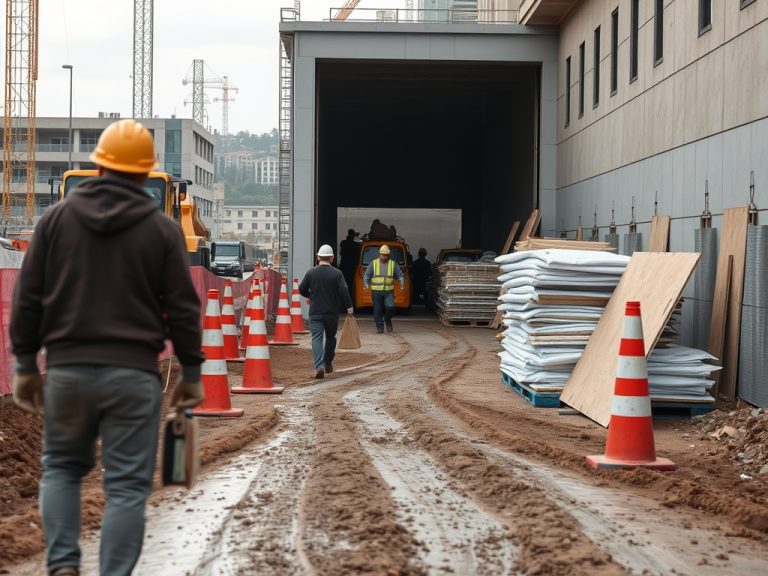
Concrete curing is the controlled management of moisture and temperature so hydration can continue and early-age damage is reduced. Hot and cold weather change the risks, so curing plans should be adjusted to the mix, member size, exposure, specifications, and site conditions.
Curing Field BriefMain point: Concrete curing is the controlled management of moisture and temperature so hydration can continue and early-age damage is reduced. Hot and cold weather change the risks, so curing plans should be adjusted to the mix, member size, exposure, specifications, and site conditions. Treat this as an educational guide. Construction and maintenance decisions should be checked against project documents, local codes, manufacturer instructions, and qualified professional advice.
For extra context, this article refers to ACI Guide to Cold Weather Concreting and other relevant construction or facility guidance where it helps clarify the decision. Links are included in paragraphs so the article remains easy to read.
Why curing is not just waiting
Concrete gains properties through cement hydration, and curing supports that process by maintaining suitable moisture and temperature conditions. The American Concrete Institute’s external curing guidance discusses practices, procedures, materials, and monitoring methods for curing cement-based products. This article is educational and does not replace project specifications, engineer direction, mix design requirements, or local code obligations.
Hot weather risks
Hot conditions can accelerate evaporation, shorten finishing windows, increase plastic shrinkage risk, and make temperature control harder. Wind, low humidity, sunlight, and hot substrates can be as important as air temperature. Common controls include cooling materials, scheduling placements during cooler periods, using sunshades or windbreaks, fogging where appropriate, applying curing compounds correctly, and starting curing as soon as finishing allows. The right method depends on the slab, structure, exposure, and specified finish.
Cold weather risks
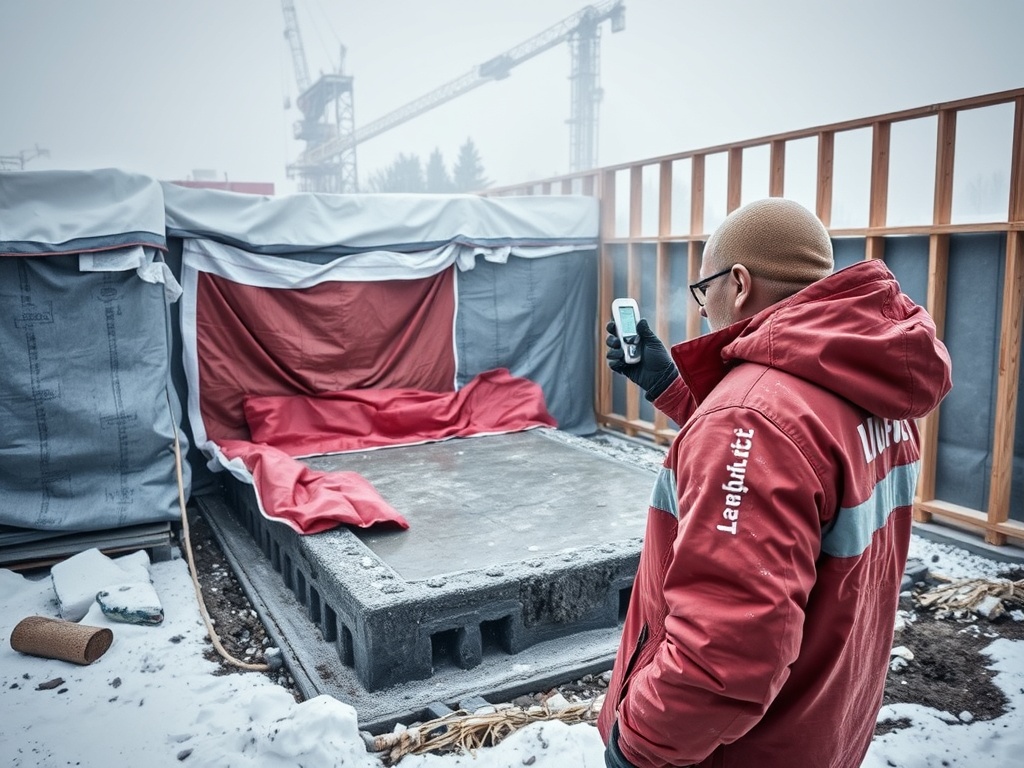
Cold weather can slow strength gain and, if concrete freezes early, damage developing paste structure. ACI cold weather guidance addresses preparation, concrete temperature, delivery, protection, strength development, and curing recommendations. Protection may include heated enclosures, insulating blankets, heated water or aggregates, accelerators when approved, and temperature monitoring. The goal is not simply to keep crews comfortable; it is to protect early-age concrete until it can safely resist exposure.
Plan before the truck arrives
Curing should be planned during pre-placement meetings. Confirm the forecast, mix design, admixtures, placement rate, finishing sequence, curing method, temperature monitoring, protection materials, acceptance criteria, and responsible people. For slabs that will receive flooring, curing and moisture history matter; the article on How to choose flooring for offices, retail, healthcare, and homes explains why substrate conditions can affect finish selection and installation success. For exterior or exposed facilities, How to prepare facilities for extreme heat, cold, and storm events can also help teams think about climate stress after the pour.
Monitoring and documentation
Use temperature logs, weather records, batch tickets, photos, curing compound coverage notes, protection checks, and field test results where required. Documentation protects quality and helps future maintenance teams understand why cracks, dusting, scaling, curling, or surface issues may have occurred. If recurring concrete defects show up across projects, maintenance history can feed better specifications; the article on How to use failure history to improve PM tasks applies that same learning loop to preventive maintenance.
Mistakes to avoid
Do not let curing become an afterthought once finishing is complete. Do not remove cold-weather protection too abruptly if temperature shock could occur. Do not apply curing compounds without checking compatibility with later coatings, sealers, or flooring adhesives. Do not assume rain is the same as controlled curing. Do not use generic cure times when specifications require strength, temperature, or moisture criteria. Above all, do not treat hot and cold weather as opposite problems; both require planning and measurement.
Where a standard, guidance note, or public resource is relevant, teams should compare project-specific requirements with ACI Guide to External Curing of Concrete.
Field controls that support consistent curing
Field control begins with roles. One person should own weather monitoring, another should verify materials and protection, and another should document curing actions if the project scale requires it. Crews should know when curing starts, what method is approved, how long protection remains, and who has authority to change the plan. Without clear ownership, curing can be interrupted by schedule pressure, trade stacking, or assumptions made at the end of a long placement.
Hot-weather and cold-weather plans should be written in plain language for the crew. In hot conditions, define evaporation controls, timing, curing compound application, and protection from sun and wind. In cold conditions, define minimum protection measures, temperature monitoring points, enclosure checks, and removal criteria. Do not rely only on memory or general experience when specifications require documented compliance.
Post-placement review is also useful. Compare planned measures with actual weather, concrete delivery, finishing time, test results, and any early distress. If the slab later receives coatings or flooring, preserve curing records so the finish team understands the substrate history. Good curing discipline is not glamorous, but it prevents many quality conversations from becoming guesswork.
A final review should include three practical checks. First, confirm that the people doing the work understand the decision, not just the document. Second, confirm that evidence will be captured in the normal workflow instead of in a separate system no one opens. Third, confirm that someone will review the result after the work is complete. Construction and maintenance improvements often fail because the first two steps happen during planning, while the third step disappears after turnover or closeout.
Use plain language in records. A future manager, technician, estimator, or owner representative should be able to understand what was decided, what was excluded, what risk remained, and what evidence supported the decision. That clarity is especially valuable when staff changes, warranties are questioned, or a similar project starts later. Good documentation does not need to be fancy. It needs to be findable, specific, and honest about uncertainty.
When the decision affects safety, code compliance, structural performance, life-safety systems, or contract liability, pause and involve the right licensed or qualified professional. Editorial guidance can frame the question, but project-specific advice must come from the responsible professional team.
Weather curing control matrix
| Condition | Primary risk | Common control approach |
|---|---|---|
| Hot, dry, windy | Rapid moisture loss and plastic shrinkage | Windbreaks, evaporation control, prompt curing, adjusted placement timing |
| Cold or freezing | Slow strength gain and early freezing damage | Insulation, heated enclosures, approved admixtures, temperature monitoring |
| Flooring later | Moisture and surface compatibility problems | Check curing compounds, drying requirements, and slab testing needs |
| Exposed exterior | Thermal movement and durability concerns | Specification-based curing, protection, and long-term maintenance planning |
Practical action framework for concrete curing hot weather cold weather
- Define the decision or risk in one sentence before comparing options.
- List the people who must approve, perform, inspect, maintain, or document the work.
- Separate verified requirements from preferences, assumptions, and vendor claims.
- Record exclusions, open questions, and handoff requirements before work begins.
- Review the outcome after completion so the next project or maintenance cycle improves.
Protect the pour before weather decides
A strong curing plan is specific, documented, and ready before placement begins. Weather will change; the control plan should already know how to respond.
Informational disclaimer: This article is for general educational use only and does not provide professional engineering, legal, compliance, safety, procurement, or project-management advice. Always consult qualified professionals and the applicable project documents, codes, standards, and manufacturer instructions before making construction or maintenance decisions.