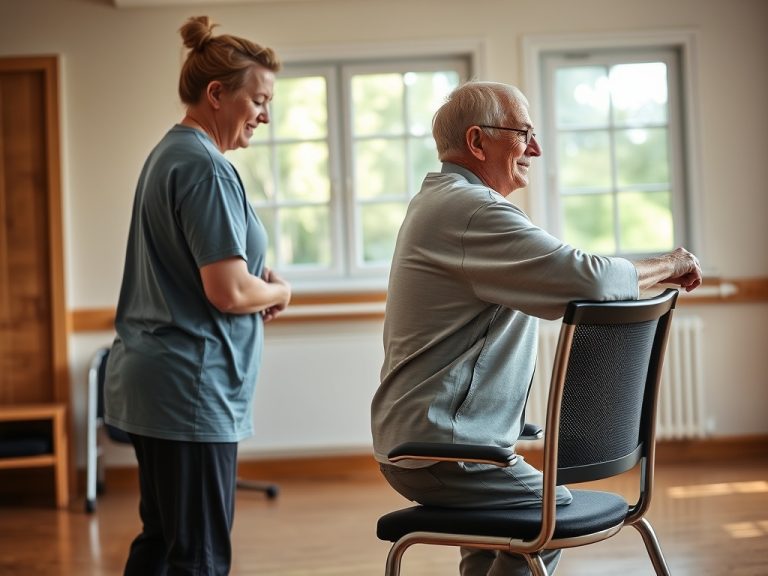
Build hiking endurance by combining easy aerobic work, progressively longer walks, lower-body strength, and practice on terrain that resembles the planned route. Fitness helps, but safe outdoor performance also depends on pacing, footwear, weather preparation, hydration, navigation, and honest route selection.
TL;DR: Start with a distance you can finish comfortably, add time or elevation gradually, keep most sessions easy, and complete one route-specific outing each week. Strengthen the legs and trunk twice weekly. Test footwear, pack weight, food, and pacing before the main adventure, not on the day itself.
Start with the demands of the route
“Hiking fitness” changes with the trip. A flat two-hour woodland walk, a steep mountain day, a multi-day backpack, and a hot exposed canyon require different preparation. Record the expected distance, elevation gain and loss, surface, altitude, temperature range, pack weight, and access to water. Then identify which demand is least familiar.
Do not treat the advertised mileage as the whole workload. Steep descents can create substantial muscle stress, rough terrain slows pace, heat raises strain, and altitude can reduce performance. The National Park Service’s backcountry hiking guidance repeatedly emphasizes choosing a route that matches ability, checking conditions, carrying essentials, and turning around when needed. Training cannot remove environmental risk.
Build an aerobic base before chasing speed
Most endurance work should feel sustainable enough that you can speak in short sentences. Walking, incline treadmill work, cycling, and easy stair climbing can all develop aerobic capacity. If you have been inactive, begin with short sessions and increase the total time gradually.
The American Heart Association describes endurance exercise as activity that raises heart rate and breathing, and recommends progressing from manageable bouts rather than rushing. Its aerobic endurance guidance suggests building duration before difficulty, a useful order for new hikers.
A sample first phase might include three easy aerobic sessions each week: two short weekday walks and one longer weekend walk. The long walk should finish with enough reserve that technique and judgment remain sound. A workout that leaves you limping or exhausted for days is not a shortcut to durable endurance.
Add hills and terrain in controlled doses
Once flat walking feels steady, introduce elevation. Use a gentle hill, stairs, or treadmill incline for short segments within an easy session. Keep the total time similar at first so only one variable changes. Later, lengthen the climb or repeat it.
Downhill capacity deserves attention. Descending requires repeated braking from the quadriceps and control from the hips and ankles. Practice short descents before a route with long sustained loss of elevation. Keep steps controlled, use poles if appropriate and practiced, and avoid racing downhill when tired.
For route-specific preparation, one weekly outing can gradually resemble the goal. A person preparing for a three-hour hilly hike might progress from a comfortable 60-minute walk to 75, 90, and 105 minutes, with easier weeks when fatigue accumulates. This is an example, not a universal prescription. Adjustments should reflect recovery, symptoms, terrain, and prior training.
Strength that transfers to the trail
Two short strength sessions can improve the capacity to climb, control descents, carry a pack, and remain stable on uneven ground. Useful patterns include a squat or sit-to-stand, hip hinge, step-up, calf raise, row, and loaded carry. Begin with stable variations before adding speed or unstable surfaces.
Progress strength independently from hiking volume. If the weekend walk becomes longer, keep the strength sessions steady rather than increasing both at once. Our guide to adjusting calories during weight loss is relevant if you are also dieting, because aggressive energy restriction can make demanding trail preparation harder to recover from.
An eight-week route-building framework
| Weeks | Aerobic Focus | Trail-Specific Focus | Strength Focus |
|---|---|---|---|
| 1–2 | Comfortable short walks | Flat or gently rolling route | Learn basic movement patterns |
| 3–4 | Add modest total time | Short hill segments | Maintain two controlled sessions |
| 5–6 | Longer easy session | More continuous climbing and descending | Keep volume stable as hiking rises |
| 7 | Longest realistic practice | Test pack, food, footwear, and pacing | Reduce fatigue-producing extras |
| 8 | Reduce volume | Easy familiar terrain, then goal outing | Light maintenance only |
The framework should bend around the trip. A highly technical, high-altitude, or extreme-weather route may require professional instruction and a much longer preparation period. Fitness does not replace navigation skill, avalanche education, climbing competence, or local safety knowledge.
Practice the gear system
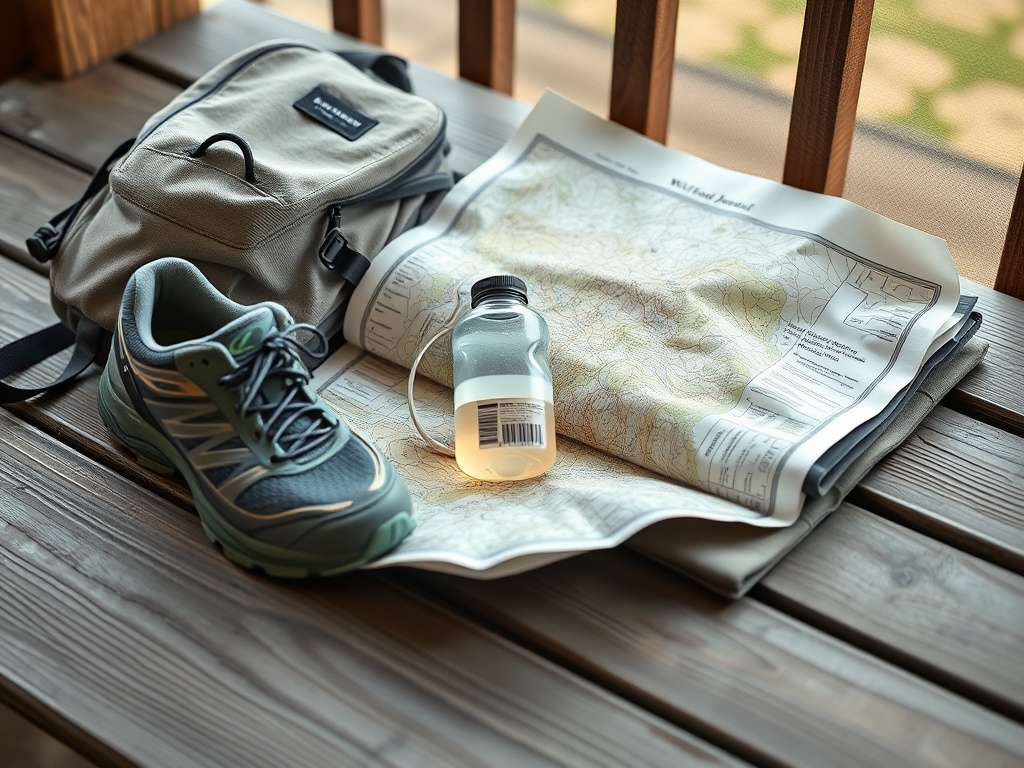
Wear the shoes and socks intended for the trip during training. Adjust lacing, address hot spots early, and carry basic blister supplies. Add pack weight gradually, prioritizing actual essentials rather than loading a bag with arbitrary heavy objects. A pack changes posture, balance, heat load, and foot stress.
Food and fluid plans also need rehearsal. Conditions, sweat rate, trip duration, and individual tolerance differ, so rigid universal quantities can be misleading. Carry adequate water or a reliable treatment method, know refill points, and avoid both neglecting thirst and forcing excessive fluid. For unfamiliar or extreme environments, follow current local guidance.
Warning signs that the build is too fast
Persistent localized pain, swelling, altered gait, worsening tendon discomfort, unusual fatigue, declining performance, or sleep disruption suggest the workload may be exceeding recovery. Extra soreness after a new hill session can occur, but symptoms that intensify from session to session deserve attention.
The article on avoiding overuse injuries while increasing volume explains how to separate a manageable training response from a pattern that calls for adjustment. Reduce the aggravating variable and seek clinical assessment when pain is severe, traumatic, neurologic, or persistent.
Pacing is a skill, not a fallback
Begin slower than excitement suggests, especially on a route with a long return or major climb late in the day. Use an effort you can maintain while observing terrain and making decisions. Short planned breaks can preserve movement quality better than waiting until exhaustion.
If technology helps, compare what a device or app adds after considering its recurring cost. The checklist for comparing fitness subscriptions can prevent a short training plan from turning into an unnecessary annual expense.
Prepare for the day, not just the workout
Complete a final practice outing using the expected shoes, pack, food, and approximate start time. Check weather, closures, water availability, daylight, and emergency communication immediately before the trip. Share the route with a responsible person and keep a turnaround rule.
Leave room for conditions to change the plan. Wind, heat, trail damage, a slower partner, or an early hot spot on the foot can justify shortening the route even when fitness is good. Readiness includes the judgment to protect the group’s safest option.
The best evidence that you are ready is not one heroic training day. It is a pattern of finishing progressively specific outings with steady pacing, good decisions, controlled symptoms, and enough reserve to respond when the outdoors does not follow the plan.