
Calorie needs often decline during weight loss because a smaller body generally uses less energy and because daily movement may change. That does not mean calories must be cut every week. Adjust only after a consistent trend shows that the current plan no longer produces the intended rate of change.
TL;DR: Use two to four weeks of comparable weight data, review adherence and activity, and make a small change only when the trend has genuinely stalled. Preserve protein, nutrient-dense foods, resistance training, sleep, and a livable intake. Rapid or repeated cuts can increase hunger, fatigue, and loss of training quality.
First decide whether you have a real plateau
Body weight changes from water, glycogen, sodium, digestion, menstrual-cycle effects, travel, illness, and changes in training stress. A few flat days do not show energy balance accurately. Weigh under similar conditions if weighing is appropriate for you, then compare weekly averages rather than single readings.
A plateau is more convincing when the average remains essentially unchanged for several weeks and the plan has been followed consistently. Circumference, clothing fit, and performance can add context. If strength is rising and measurements are changing, a stable scale may not mean progress has stopped.
The CDC’s healthy weight-loss guidance emphasizes gradual change, realistic goals, healthy eating, regular activity, sleep, stress management, and ongoing monitoring. It also notes that medications, medical conditions, hormones, age, and other factors can affect weight management.
Why the original target may stop fitting
Energy expenditure includes resting needs, the energy used to process food, planned exercise, and spontaneous activity such as standing or walking. As weight decreases, moving the body may require less energy. People may also unconsciously move less when dieting, especially when fatigue rises.
This adaptation is not evidence that the body has broken the laws of energy balance. It means static “calories out” estimates do not perfectly describe a changing person. The NIDDK Body Weight Planner models how intake and activity changes can affect weight over time, while warning that it is not individualized medical advice.
Audit before cutting food
Review the previous two weeks with curiosity rather than blame. Check portion estimates, restaurant meals, cooking oils, drinks, weekend patterns, and unrecorded tastes. Also compare step count or ordinary movement, training frequency, sleep, and stress. The goal is to identify whether the plan changed before assuming calorie needs changed.
If tracking is causing anxiety, compulsive behavior, or restrictive eating, do not intensify it. A registered dietitian or qualified mental-health professional can help create a safer approach. People who are pregnant, breastfeeding, under 18, medically underweight, managing an eating disorder, or dealing with complex medical conditions need individualized care rather than a generic calorie-adjustment formula.
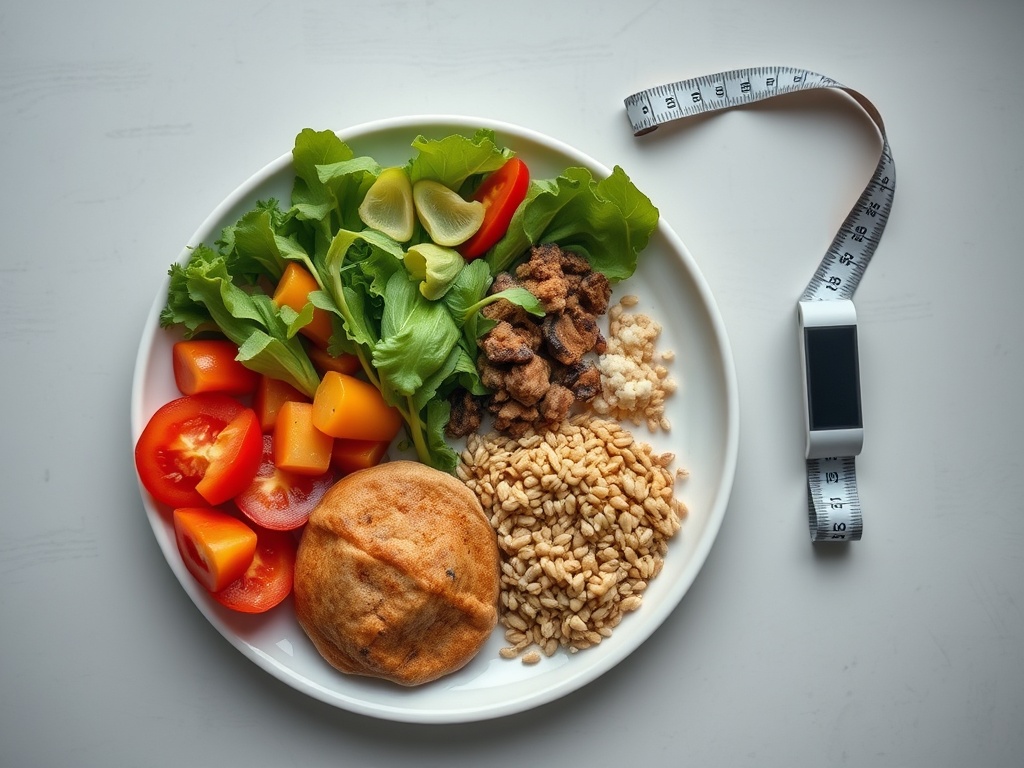
Choose the smallest useful adjustment
When a genuine plateau remains after the audit, create a modest change that you can observe. That might mean slightly smaller portions of energy-dense extras, one fewer caloric drink, a small increase in routine walking, or a minor reduction in the estimated daily target. Avoid making several changes together.
Set a review date before starting the adjustment. Daily reactions encourage repeated cutting, while a scheduled review protects the experiment. Keep the change steady, note any unusual travel, illness, or menstrual-cycle effects, and compare the next trend with the same measurement method used at baseline.
| Adjustment Option | Potential Advantage | Watch For |
|---|---|---|
| Reduce a small food portion | Easy to measure | Hunger or nutrient loss if cuts come from core foods |
| Replace a caloric drink | May reduce intake with little meal disruption | Compensating with snacks later |
| Add manageable walking | Supports activity and routine | Excess fatigue if training volume is already high |
| Improve meal structure | Can support satiety | Treating food categories as forbidden |
| Hold steady for another week | Prevents reacting to water fluctuation | Useful only when adherence and measurements are reliable |
Do not choose a cut simply because a calculator produces a lower number. Track the response, including hunger, mood, sleep, recovery, and performance. A target that creates rapid scale change but cannot be maintained may not serve the broader health goal.
Protect the parts of the diet that support health
Keep protein-containing foods distributed across meals, include fruits and vegetables, and retain fiber-rich carbohydrates and appropriate fats. The exact pattern depends on preferences, culture, budget, health status, and training. Our guide to thinking clearly about whole and processed foods can help you make changes without banning every convenient food.
Meal volume and texture can matter for satiety. Vegetables, fruit, soups, beans, lean or suitable alternative proteins, and whole grains can make a lower-energy pattern feel more substantial. That does not require eliminating calorie-dense foods; it means fitting them intentionally.
Keep activity stable enough to interpret
Resistance training can help maintain strength and lean tissue during weight loss, although individual outcomes vary. Aerobic activity supports health and energy expenditure. Increasing both diet restriction and training volume aggressively at the same time can make fatigue difficult to diagnose.
If you are preparing for a demanding event, such as the progression described in building endurance for hiking, a steep calorie cut may conflict with the fuel and recovery required for longer sessions. Decide which goal has priority in the current phase.
Questions people ask about calorie changes
Should I lower calories after every few pounds?
No fixed interval fits everyone. Use the trend and your response. If the intended rate continues and recovery is acceptable, there may be no reason to change.
What if hunger becomes much stronger?
Review meal composition, sleep, stress, training load, and the size of the deficit. Persistent severe hunger can signal that the approach is too aggressive or poorly structured. Seek professional help when needed.
Can I add exercise instead of eating less?
Sometimes, but exercise has health and performance benefits beyond calorie expenditure and should not become punishment for eating. Added volume also requires recovery. Choose an amount you can sustain.
Is a diet break necessary?
Some people find a planned period at estimated maintenance useful for adherence or training, but it is not a metabolic reset and does not guarantee future loss. It should be structured rather than treated as an uncontrolled binge.
Avoid the streak-and-punishment cycle
A rigid calorie streak can make one unplanned meal feel like total failure. The discussion of when streaks help or backfire offers ways to track behavior without turning consistency into perfectionism.
Review the trend on a scheduled date, choose one adjustment, and keep it steady long enough to evaluate. If progress requires increasingly low intake, performance is falling, symptoms appear, or the process is harming your relationship with food, stop self-adjusting and consult a qualified clinician or registered dietitian.