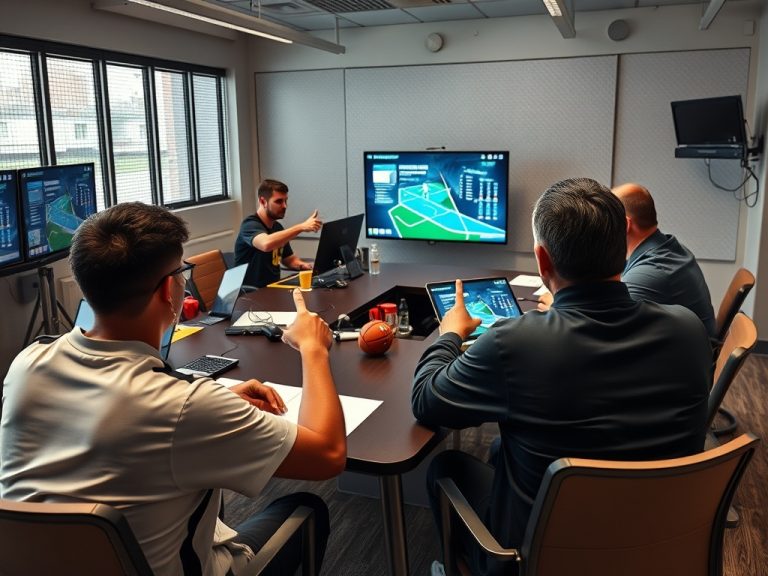
MMA skill development works best when striking, grappling, and conditioning support one another rather than compete for training time. A balanced plan builds repeatable technique first, then adds pressure, fatigue, and decision-making.
TL;DR: Focus on the decision the article helps you make. Use official rules or medical guidance for facts, then treat tactics, value, and projections as analysis. A simple checklist usually beats a complicated system that people will not use.
Start With the Three Demands of the Sport
MMA asks athletes to strike, wrestle, grapple, defend submissions, move under pressure, and make decisions while tired. That does not mean every session should include everything. Good development usually separates learning, integration, and performance work. Learning sessions build technique. Integration sessions connect ranges. Performance sessions test choices under realistic fatigue and resistance.
Because contact and risk management matter, athletes should pair training plans with the safety principles covered in Concussion Basics for Athletes, Parents, and Coaches, especially when sparring intensity increases.
| Training area | Primary goal | Beginner trap |
|---|---|---|
| Striking | Create safe entries, exits, timing, and defense. | Throwing hard before learning balance and guard recovery. |
| Grappling | Control position, escape bad spots, and attack submissions safely. | Chasing submissions while ignoring position. |
| Wrestling transitions | Connect striking range to clinch, takedown, and wall work. | Practicing takedowns without setup or defense. |
| Conditioning | Support repeated efforts without ruining skill quality. | Turning every session into exhaustion testing. |
A Weekly Balance That Actually Works
Intermediate athletes often improve faster with a simple weekly structure than with random hard sessions. A balanced week may include one technical striking session, one grappling-focused session, one wrestling or clinch transition session, one mixed technical session, and two conditioning blocks that match the athlete’s current capacity. The key is not equal minutes for every discipline. It is enough exposure to keep skills connected.
Official competition language from the Association of Boxing Commissions unified rules page is useful because it reminds athletes that MMA is a regulated combination of disciplines, not just a collection of highlight techniques.
Conditioning Should Protect Technique
Conditioning is valuable when it helps athletes repeat good decisions. It becomes counterproductive when fatigue teaches sloppy mechanics. Instead of ending every workout with a collapse, build conditioning in layers: aerobic base, short bursts, repeat efforts, and sport-specific rounds. Track whether the athlete can keep stance, breathing, hand position, takedown defense, and escape habits under fatigue.
For most developing athletes, the hardest skill is not any single punch, takedown, or submission. It is switching calmly between them. A striker who cannot pummel in the clinch becomes predictable. A grappler who cannot enter safely gets stuck outside. A strong athlete who panics after a scramble loses the benefit of conditioning.
How to Measure Progress Without Fake Certainty
- Record whether the athlete can repeat a technique on both sides with controlled resistance.
- Track defensive reactions, not just offensive success.
- Use positional rounds before full sparring to isolate a problem.
- Review recovery between rounds, breathing control, and decision quality.
- Avoid treating gym wins as proof of fight readiness.
Fueling also affects the quality of repeated training days, so simple recovery habits from Post-Workout Meals for Busy Athletes Who Need Simple Options can support the physical side without making nutrition more complicated than it needs to be.
Cues Coaches Can Use Across Ranges
Useful cues are short and observable. “Exit after the combination,” “win inside head position,” “recover guard before attacking,” and “breathe before the next exchange” are clearer than vague calls to be tougher. Coaches should also define sparring intensity before the round starts. Technical sparring, positional rounds, and competition rounds are different tools.

For structured education, IMMAF coaching and education provides a broader look at coaching development within the international amateur MMA pathway.
Build a Fighter, Not a Random Workout Collection
A balanced MMA plan uses striking, grappling, and conditioning to create one adaptable athlete. The best next step is to pick one connection point for the next four weeks, such as jab-to-clinch entry, wall escape to striking reset, or takedown defense into safe exit. Improve that connection before adding more noise.
Training Week Audit for Mixed-Skill Athletes
This audit helps athletes avoid the common pattern of training hard while improving slowly. A good MMA week should leave evidence of skill progress, not only soreness. If every round turns into survival, reduce the chaos and rebuild the link between stance, distance, clinch, takedown defense, and ground recovery.
For athletes training three to five days a week, the practical target is repeatability. One session can introduce a skill, another can connect it to a live range, and a later session can test it under controlled pressure. That rhythm gives the athlete enough exposure to improve without making every practice feel like a fight camp. It also gives coaches cleaner feedback because they can see whether errors come from misunderstanding, fatigue, fear, or poor timing.
A useful final filter is to ask what the reader can do in the next seven days. If the answer is unclear, the plan is still too abstract. Turn the idea into one practice adjustment, one family conversation, one checklist, one meal plan, one calendar setup, one safety policy, or one purchasing question. Small actions create feedback, and feedback is what turns general sports advice into a better decision.
- Name the main technical theme before each session.
- Include at least one low-fatigue skill block where precision matters more than effort.
- Review whether sparring intensity matched the stated purpose.