AI-Powered Insurance Review in Dentistry: What Patients May Notice
Artificial intelligence is being adopted in dental practice management to help streamline insurance claim reviews, eligibility verification, and prior authorization processes. For patients, this shift can mean faster benefit checks and fewer claim denials—but it also raises questions about transparency and what happens when automated decisions affect access to treatment.
Key Takeaways
- AI tools in dental insurance are primarily used to automate claim review, eligibility checking, and coverage determination.
- Patients may notice faster pre-authorization responses and fewer back-and-forth calls between their dentist and insurer.
- Automated denials still have an appeals process—and patients have rights in that process.
- AI does not replace clinical judgment about treatment need—it adjudicates coverage based on plan rules.
What AI Is Actually Doing in Dental Insurance
Dental insurance AI typically operates behind the scenes in one of several areas:
- Eligibility and benefit verification: Automated queries to insurance databases confirm a patient's coverage, annual maximum, remaining benefits, and waiting periods before a dentist charges for services.
- Claim scrubbing and review: AI systems check submitted claims for coding errors, completeness, and plan rule compliance before human review. This reduces processing time and flags common mistakes automatically.
- Coverage determination support: Some insurers use AI-assisted systems to cross-reference clinical information submitted with claims (X-rays, procedure codes, narratives) against medical policy criteria.
- Prior authorization tools: A growing number of insurers offer real-time or near-real-time authorization responses for certain procedures, enabled in part by automated review.
What Is Changing for Patients
Faster Coverage Responses
Practices using AI-enabled eligibility tools can often confirm patient benefits in seconds rather than waiting on hold with an insurance representative. For patients, this can mean the dental team has accurate coverage information ready at check-in, reducing surprise billing situations.
More Consistent (But Sometimes Rigid) Claim Reviews
Automated systems apply plan rules consistently—without the variability of a human reviewer's interpretation on a given day. This consistency benefits straightforward claims. For clinically complex cases, however, automated review systems may struggle with nuance—for example, a crown placed earlier than the standard frequency because of trauma rather than routine replacement.
Possible Automated Denials
When AI-assisted review results in a claim denial, the patient and dentist receive an explanation of benefits indicating the reason. These denials are subject to the same appeals process as any other denial—patients can request reconsideration, and dentists often submit additional documentation to support medical necessity.
| Area | Before AI Integration | With AI Integration |
|---|---|---|
| Eligibility check | Phone call, 10–30 minute wait | Automated query, near-instant |
| Claim processing time | Days to weeks | Potentially hours for clean claims |
| Authorization for major work | Manual review, 5–10 business days | Real-time or same-day for some procedures |
| Denial frequency | Variable | More consistent; complex cases may need documentation |
| Appeals process | Paper/fax submission | Often digital, but still patient-driven |
What Stays the Same for AI-Powered Insurance Review in Dentistry: What Patients May Notice
AI adjudicates insurance coverage—it doesn't determine clinical need. What a dentist recommends based on an exam, X-rays, and clinical judgment remains entirely outside the insurer's AI tools. If you've been told you need a root canal or crown, the clinical recommendation came from your provider, not a software system. For complex treatment decisions where the clinical recommendation itself is what you're evaluating, the article on How to Get a Second Dental Opinion Without Starting Over outlines when and how to seek that review.

Similarly, your right to appeal an insurance denial has not changed. You can request written documentation of why a claim was denied, ask your dentist to submit additional clinical documentation, and escalate to your state insurance commissioner if a claim is wrongly denied after internal appeal.
Transparency Questions Worth Asking
Patients who want to understand how AI is used in their insurance review can ask their insurer directly:
- "Is this claim being reviewed by a human, an automated system, or both?"
- "If my claim was denied by an automated system, what documentation can I provide to trigger a human review?"
- "Does your policy allow real-time authorization for this procedure?"
The American Dental Association has ongoing resources on dental insurance and patient advocacy that are worth bookmarking if you anticipate navigating a complex claim situation.
The Longer-Term Picture
AI adoption in dental insurance is accelerating. Some insurers are piloting systems that can analyze submitted X-rays directly to assess coverage eligibility for procedures like extractions and root canals. The clinical and ethical questions around automated X-ray review—accuracy, bias, accountability when errors occur—are being actively discussed within the dental profession.
For patients with complex bite or structural issues, understanding how technology is shaping both diagnosis and insurance approval can affect treatment planning. The article on Overbite, Underbite, Crossbite, and Open Bite: What These Terms Mean provides the terminology patients encounter when their orthodontic treatment plan goes through prior authorization.
Separately, the National Association of Insurance Commissioners tracks regulatory developments around automated insurance decision-making—useful context if you want to understand the regulatory environment.
Timing and Recovery for AI-Powered Insurance Review Dentistry
For AI-Powered Insurance Review Dentistry, this part of Timing and Recovery for AI-Powered Insurance Review Dentistry focuses on the order of diagnosis, preparation, treatment, healing, adjustment, and review before consent is finalized, with the same details verified after the examination is explained. The clinician should also explain how work, travel, eating, driving, exercise, or caregiving may be affected for AI-Powered Insurance Review Dentistry before treatment is scheduled, using the examination and health history rather than a general assumption.
Questions About AI-Powered Insurance Review Dentistry
When AI-Powered Insurance Review in Dentistry: What Patients May Notice is reviewed, ask the dentist to connect each recommendation to the examination findings and compare reasonable alternatives. Before leaving the discussion of AI-Powered Insurance Review in Dentistry: What Patients May Notice, confirm the first step, expected follow-up, and warning signs that justify earlier contact before consent is finalized. A consultation about AI-Powered Insurance Review in Dentistry: What Patients May Notice is more useful when you bring a brief timeline, current medicines, relevant health conditions, and details of earlier dental work.
Staying Informed as a Patient
The administrative side of dentistry is evolving, and most changes driven by AI will happen without patients noticing—a faster confirmation at check-in, a quicker response on a prior auth. Where the changes become visible is usually at the point of a denial. Understanding that automated systems are involved—and that appeals remain available—helps patients respond more effectively when that happens.
Ask your dental team how they handle insurance pre-authorization for major procedures, and whether they have a billing coordinator who manages appeals. Practices with dedicated insurance support can navigate these systems on your behalf and significantly improve claim resolution outcomes.
For AI-Powered Insurance Review Dentistry, this part of Staying Informed as a Patient focuses on the clinical findings and the outcome the patient values most when the follow-up plan is written, with the same details verified after the examination is explained. The clinician should also explain alternatives, limitations, timing, cost, and long-term upkeep for AI-Powered Insurance Review Dentistry as the long-term result is reviewed, using the examination and health history rather than a general assumption. Recording that explanation gives the patient a clearer next step for AI-Powered Insurance Review Dentistry when the follow-up plan is written, especially when follow-up duties are reviewed after the examination is explained.
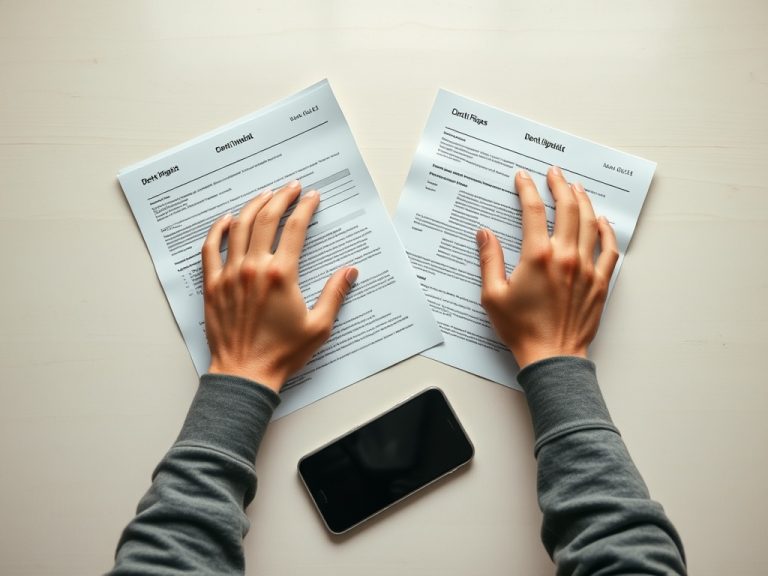
An editorial overhead photograph of a person's hands (shown from mid-forearm, non-identifiable) typing on a laptop keyboard. The screen is angled away and its content is blurred and unreadable. A printed document with illegible text rests beside the laptop on a pale desk. Soft natural side lighting, clean workspace, no background distractions. The image should feel like a documentary workplace photograph from a business or health editorial feature in WIRED or The New York Times—understated and honest, without staged poses.