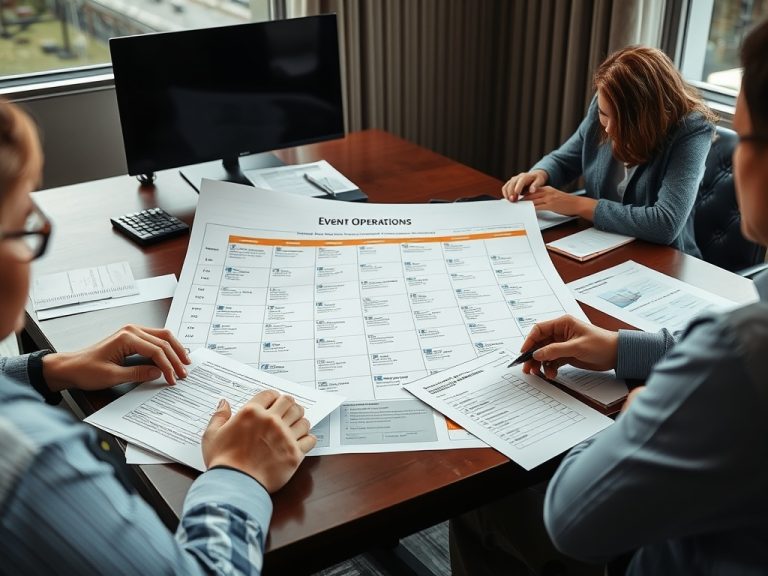
The right answer depends on risk, audience expectations, and how many decisions must be tested before launch. This article explains raising local event standards without turning a community gathering into an overbuilt production.
Key takeaways
- Use a longer runway when the event depends on sponsors, permits, complex vendors, travel, or major content production.
- Use a shorter planning cycle only when scope is narrow, decision-makers are available, and the guest journey is simple.
- Keep ticketing, access, accessibility, safety, and vendor promises subject to official confirmation rather than assumptions.
Community Event Standards That Feel Organized
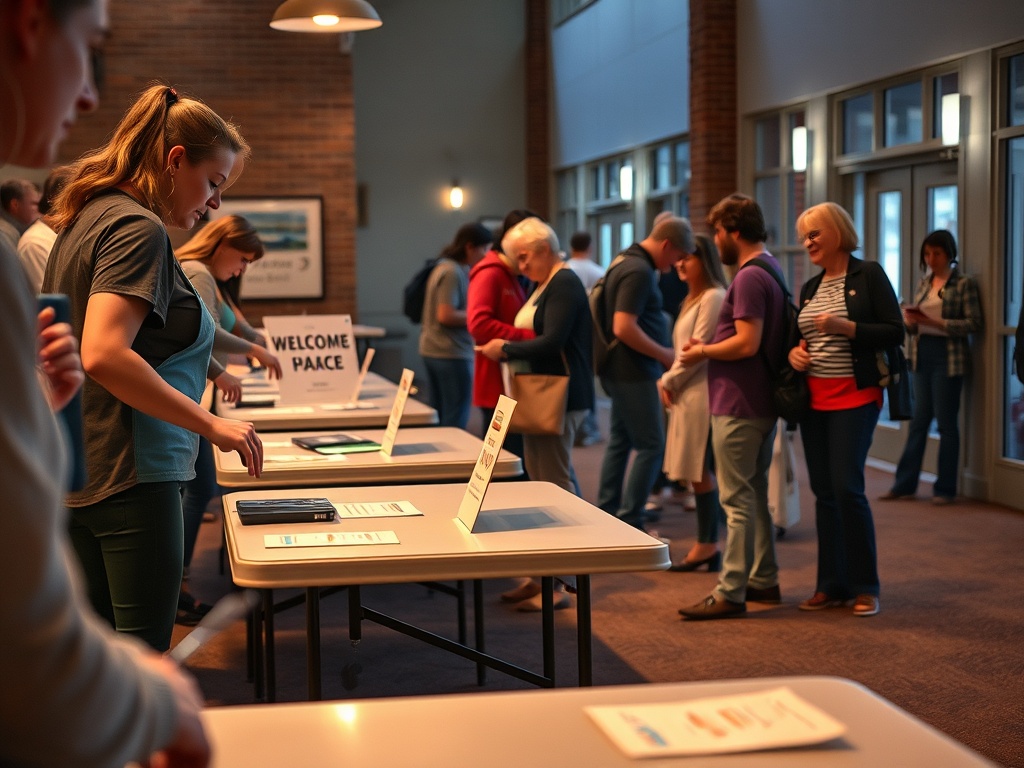
Strong community events feel easy to enter, easy to understand, and easy to leave safely. That experience is rarely accidental. It comes from clear arrival paths, visible information points, realistic staffing, practical accessibility planning, and programming that matches the neighborhood or audience being served.
Before choosing a timeline, define the event goal, audience promise, decision owners, and minimum viable experience. A timeline should protect those choices, not become a decorative project plan. For larger gatherings, planners often benefit from reviewing public-safety resources such as HSE guidance on managing crowds safely while shaping early risk assumptions.
Local Format Framework for Safer Flow
| Practice area | What strong operators define | Why it matters |
|---|---|---|
| Arrival and entry | Signage, queue logic, volunteer roles, parking or transit notes, and alternate access paths. | Attendees decide quickly whether the event feels organized. |
| Programming | A simple schedule, natural pauses, weather or crowd alternatives, and age-appropriate activities when relevant. | Local events often serve mixed audiences with different energy levels. |
| Safety and access | Crowd pinch points, medical contacts, accessible routes, rest areas, and vendor responsibilities. | Public gatherings need visible care without creating unnecessary friction. |
| Review loop | Incident notes, attendance signals, vendor feedback, and communication gaps. | The next event improves when the team captures what happened. |
| Planning factor | Longer runway | Shorter runway |
|---|---|---|
| Best fit | Multi-stakeholder programs, sponsors, travel, complex production, public access, or compliance-heavy work. | Focused webinars, small private briefings, simple local events, or repeatable programs with known vendors. |
| Main advantage | More time for validation, procurement, approvals, accessibility planning, and contingency review. | Faster action, lower planning overhead, and easier momentum when scope is controlled. |
| Main risk | Work can expand to fill the calendar unless scope is disciplined. | Teams may discover venue, vendor, content, or access gaps too late. |
| Best control | Stage-gate approvals tied to budget, messaging, venue, and safety decisions. | A tight responsibility matrix with quick testing and no vague ownership. |
Early Planning Triggers for Community Festivals Open Houses Local
A longer timeline is useful when decisions depend on other decisions. Venue selection affects room layouts, room layouts affect staff plans, staff plans affect budget, and budget affects the level of service that can be promised. When these dependencies are compressed, the team may appear busy but still be making fragile decisions.
Longer planning is usually the safer preference for events with public access, sponsor deliverables, multiple food and beverage vendors, permits, travel guidance, VIP movement, or technical production. This is a general best practice, not a guarantee that a longer runway produces a stronger event. The quality of the process still depends on decisive ownership and accurate information.
For example, crowd movement and venue controls should be reviewed with credible safety guidance. The ASPR TRACIE mass gathering resources is helpful when planners need plain-language prompts for roles, hazards, and controls rather than purely promotional event advice.
Fast-Track Conditions for Community Festivals Open Houses Local
A shorter cycle can work when the event has a known audience, repeatable format, available venue, limited vendor base, and clear registration path. In these cases, speed can be an asset because teams avoid overbuilding and stay close to real attendee needs.
The danger is false simplicity. A 90-day plan can still fail if the messaging is unclear, the floor plan is not tested, the production owner is missing, or the contract does not explain what happens when scope changes. To reduce that risk, review 12-Month vs. 90-Day Event Planning Timelines before locking the operating model.
Budget Audience and Goal Checks for Community Festivals Open Houses Local
Budget should be evaluated by decision deadline, not only by total spend. If a cost requires a non-refundable deposit, insurance review, legal approval, or sponsor signoff, that task belongs earlier in the schedule. Audience needs should be treated the same way. Accessibility requests, travel details, entry rules, session formats, and replay availability should be communicated with enough time for attendees to make informed choices.
Goals should also shape the timeline. A lead-generation event needs clean targeting, registration questions, follow-up ownership, and reporting. A community event needs traffic flow, local coordination, weather contingencies, and clear public information. A training event needs learning outcomes, facilitator preparation, and post-session resources. The planning timeline should reflect the job the event is expected to do.
Warning Signs Inside Community Festivals Open Houses Local
- The venue is booked, but room layouts and accessibility routes are still uncertain.
- The landing page is live, but the event value is still hard to explain in one sentence.
- Vendors are quoting different assumptions because the scope is not standardized.
- The team has not assigned owners for attendee communication, safety, registration, or post-event content.
- The budget depends on sponsor income that is not yet committed.
If several of these signs appear together, adding more promotional activity is not the first fix. The team should clarify scope, build a short risk register, and revisit the operating sequence. Related decisions around layout tools can be explored in How Procurement Scorecards Is Changing Vendor Negotiation for Event Teams before the team finalizes production details.
Review Rhythm for Community Festivals Open Houses Local
A useful review rhythm keeps community event format best practices grounded in evidence. Hold one short review around scope, one around audience communication, one around vendor readiness, and one around post-event follow-up. The goal is not to create extra paperwork. The goal is to catch decisions that are drifting away from the event promise before those decisions affect attendees, sponsors, speakers, or vendors.
For middle- and bottom-funnel decisions, teams should document what is confirmed, what is assumed, and what is still subject to organizer, venue, or vendor approval. That simple split protects the article topic from becoming overconfident. It also gives stakeholders a cleaner way to compare options, evaluate tradeoffs, and decide when outside expertise is needed.
The most reliable teams also keep a small evidence log for Community Festivals Open Houses Local. Save the approved scope, latest schedule, vendor assumptions, communication copy, accessibility notes, and post-event review points in one shared place. This does not have to be complex. It simply gives the team one source of truth when dates shift, staff change, or a stakeholder asks why a decision was made. Include the owner for each unresolved item so follow-up does not depend on memory, inbox searches, or informal hallway updates, especially when approvals are time-sensitive.
Build Local Events People Can Understand Quickly
Use the longer runway when uncertainty is high and decisions need verification. Use the shorter cycle only when the event is simple enough to protect with disciplined ownership. In either case, verify dates, access rules, ticket terms, venue policies, and service details directly with official organizers or contracted providers before attendees act on them.
Informational disclaimer: This events article is educational only and is not legal, financial, travel, immigration, insurance, safety, or contractual advice. Event details can change, and readers should confirm requirements with official organizers, venues, vendors, and qualified advisors.