In-Office Whitening vs Take-Home Trays: Which Option Fits Your Goals?
Both in-office whitening and dentist-issued take-home trays can meaningfully lighten tooth shade, but they differ significantly in speed, cost, maintenance, and patient experience. Choosing between them depends on your timeline, sensitivity tolerance, and what you want to spend.
Key Takeaways
- In-office whitening produces faster results—usually in a single appointment.
- Take-home trays offer more gradual whitening with greater flexibility in timing.
- Professional-grade treatments through a dentist are stronger than most over-the-counter kits.
- Sensitivity during and after whitening is common; your dentist can recommend ways to manage it.
How Each Method Works
In-Office Whitening for In-Office Whitening vs Take-Home Trays: Which Option Fits Your Goals
Chairside whitening uses a high-concentration peroxide gel (typically 25–40% hydrogen peroxide) applied directly to the teeth, often paired with a curing light or laser to accelerate the reaction. A single session typically lasts 60–90 minutes. Because the concentration is high, a dentist or hygienist applies a protective barrier to the gums before application to prevent chemical irritation.
Take-Home Trays
Custom-fitted trays made from impressions of your teeth hold a lower-concentration peroxide gel (usually 10–22% carbamide peroxide, or lower hydrogen peroxide concentrations) in close contact with the tooth surface. Patients wear them for anywhere from 30 minutes to several hours per day—or overnight—depending on the formulation. Most protocols run one to two weeks.
Comparing the Two Options
| Factor | In-Office Whitening | Take-Home Trays |
|---|---|---|
| Speed | 1–2 appointments | 1–2 weeks of nightly use |
| Peroxide concentration | High (dentist-applied) | Lower (patient-applied) |
| Custom fit | Gum protection applied chairside | Custom tray made from your impressions |
| Sensitivity | Can be higher immediately after treatment | Usually more gradual; often better tolerated |
| Cost | Generally higher per session | Generally lower, especially over time |
| Longevity | 6 months to 2+ years (varies by habits) | Similar, can reuse trays with gel top-ups |
| Convenience | Single appointment | Requires consistent daily use at home |
Comparing Options for In-Office Whitening vs Take-Home Trays
In-Office Whitening May Fit Better If You:
- Have a specific event (wedding, job interview, reunion) within days or weeks
- Prefer a supervised, single-session approach
- Have had consistent results with professional treatments in the past
Take-Home Trays May Fit Better If You:
- Want a lower upfront cost
- Have mild-to-moderate sensitivity and prefer gradual lightening
- Value the ability to top up results over time using the same trays
- Have the discipline to wear trays consistently over one to two weeks
Some patients combine both: an in-office session for an initial jump in shade followed by periodic tray maintenance at home. Ask your dentist how this sequencing might apply to your situation. When budgeting for cosmetic procedures, the article on Family Dental Budgeting: How to Plan for Cleanings, Emergencies, and Orthodontics includes a useful framework for thinking through elective dental costs.
Sensitivity: What to Expect and How to Manage It
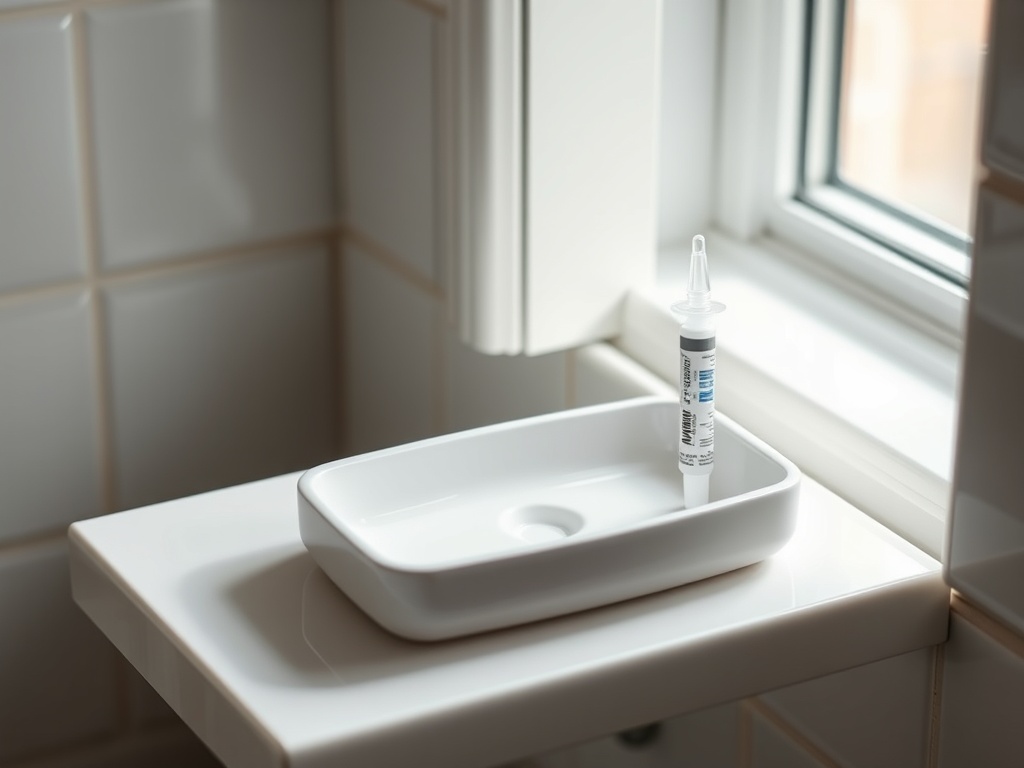
Tooth sensitivity—usually described as sharp, brief pain triggered by cold—is common with both methods. It generally peaks during the treatment period and resolves within a few days. Options a dentist may recommend to reduce sensitivity include:
- Using a desensitizing toothpaste containing potassium nitrate for one to two weeks before starting
- Taking a break day in the tray protocol if sensitivity is significant
- Choosing a lower-concentration tray formula and extending the treatment period
Patients with existing dental restorations (crowns, veneers, bonding) should know that whitening agents do not change the shade of artificial materials—only natural tooth enamel responds. This can create visible color mismatches if not accounted for in treatment planning.
Realistic Expectations for Whitening Results
Tooth shade varies widely between individuals. Most people see a shift of several shades with professional whitening, but the starting shade, the cause of discoloration (surface staining versus intrinsic discoloration), and habits like coffee consumption or smoking all affect outcomes. The American Dental Association notes that whitening is most effective on yellow-toned discoloration and less effective on grey tones from tetracycline exposure.
Before You Book: Decision Points Worth Discussing
A consultation before whitening helps rule out contraindications like untreated cavities, gum disease, or cracks that would make peroxide contact painful. Reviewing your options with a dentist—rather than relying solely on over-the-counter products—tends to produce more predictable results. For a broader view of how cosmetic treatment fits into an overall treatment plan, the article on Overbite, Underbite, Crossbite, and Open Bite: What These Terms Mean explains how structural factors sometimes influence aesthetic decisions.
If whitening is part of a larger smile plan, bring that context to your consultation. Dentists can sequence procedures—for example, whitening before placing composite bonding so the restoration is matched to your post-whitening shade.
Questions About In-Office Whitening vs Take-Home Trays
For In-Office Whitening vs Take-Home Trays, this part of Questions About In-Office Whitening vs Take-Home Trays focuses on the symptom history, previous treatment, current medicines, and the result the patient values most before the next appointment is booked, with the same details verified when the follow-up plan is written. The clinician should also explain which examination finding supports each recommendation and what information could change it for In-Office Whitening vs Take-Home Trays while the options are being narrowed, using the examination and health history rather than a general assumption.
Clinical Checks for In-Office Whitening vs Take-Home Trays
For In-Office Whitening vs Take-Home Trays, this part of Clinical Checks for In-Office Whitening vs Take-Home Trays focuses on confirmed findings, measurements, imaging, and health-history factors while risks and alternatives are compared, with the same details verified when the follow-up plan is written. The clinician should also explain what remains uncertain and whether another test or specialist opinion would alter the plan for In-Office Whitening vs Take-Home Trays when the diagnosis is confirmed, using the examination and health history rather than a general assumption.
Comparing Options for In-Office Whitening vs Take-Home Trays During Planning
For In-Office Whitening vs Take-Home Trays, this part of Comparing Options for In-Office Whitening vs Take-Home Trays During Planning focuses on benefit, limitations, durability, maintenance, timing, and total cost when home-care instructions are prepared, with the same details verified when the follow-up plan is written. The clinician should also explain how each choice preserves tooth structure or tissue and what backup treatment may be needed for In-Office Whitening vs Take-Home Trays when maintenance is discussed, using the examination and health history rather than a general assumption.
Choosing With Clarity
There's no universally superior option between in-office whitening and take-home trays. The decision is about matching method to goals, timeline, and tolerance. Both, when prescribed by a dental professional and used correctly, can deliver safe, effective results. The most important first step is a conversation with your dentist about your starting point and what outcome is realistic for your teeth.
Who May Benefit From In-Office Whitening vs Take-Home Trays
For In-Office Whitening vs Take-Home Trays, this part of Who May Benefit From In-Office Whitening vs Take-Home Trays focuses on diagnosis, tissue health, medical history, goals, and ability to maintain the result as the treatment sequence is documented, with the same details verified when the follow-up plan is written. The clinician should also explain which risk factor would make another approach more predictable for In-Office Whitening vs Take-Home Trays before the next appointment is booked, using the examination and health history rather than a general assumption.
Warning Signs for In-Office Whitening vs Take-Home Trays
For In-Office Whitening vs Take-Home Trays, this part of Warning Signs for In-Office Whitening vs Take-Home Trays focuses on stable symptoms versus swelling, fever, trauma, bleeding, drainage, or loss of function while the expected outcome is clarified, with the same details verified when the follow-up plan is written. The clinician should also explain how quickly the condition is changing and whether delay could increase risk for In-Office Whitening vs Take-Home Trays before consent is finalized, using the examination and health history rather than a general assumption.