
The safest way to increase training volume is to change one workload variable at a time, monitor symptoms and recovery, and preserve easier days. Overuse problems usually develop when repeated stress accumulates faster than the body can adapt, not because one exact percentage rule was violated.
TL;DR: Establish a stable baseline, increase gradually, keep exercise technique repeatable, and avoid raising frequency, duration, intensity, and load together. Treat persistent localized pain, swelling, altered movement, or declining performance as information. Early adjustment is more useful than pushing until normal training becomes impossible.
Understand what “volume” includes
Volume is more than sets in the gym. For resistance training it can include hard sets, repetitions, load, exercise range, frequency, and proximity to muscular failure. For running, hiking, or cycling it can include time, distance, elevation, surface, speed, and sessions per week. Work, sport practice, commuting, and recreational activity add stress too.
This matters because a program can appear unchanged on paper while total demand rises. A runner who keeps the same mileage but adds hills has increased stress. A lifter who keeps the same sets but takes every set closer to failure has also increased demand. Track the variables that meaningfully describe your activity.
Build a baseline before building more
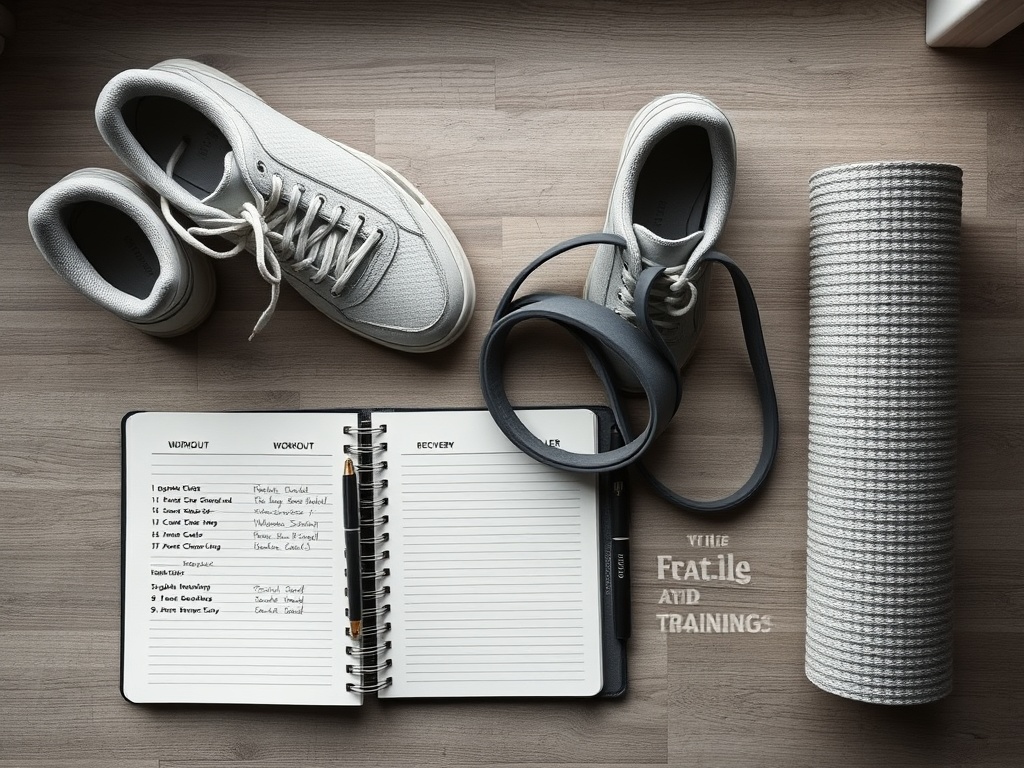
Use two or three representative weeks to establish what you currently tolerate. Record sessions, effort, soreness, sleep, and any localized discomfort. A baseline should be repeatable, not your most ambitious week of the year.
If you are new to strength work, the beginner dumbbell workout provides a small set of movements that can be kept stable while you learn your response. Stability helps distinguish normal adaptation from a problem introduced by constant program changes.
The American College of Sports Medicine’s updated resistance-training position stand favors gradual progression and consistent participation. It does not require advanced methods for general health or strength, which reduces pressure to add intensity techniques before basic work is well tolerated.
Change one lever at a time
Choose the variable most relevant to the goal. A distance athlete might add a small amount of easy time while keeping intensity stable. A lifter might add one repetition per set before increasing weight. A hiker might extend a familiar route before adding a heavier pack.
After the change, hold other major variables steady long enough to observe the response. A universal “10 percent rule” can sound precise, but it does not account for training history, intensity, surface, age, or the size of the baseline. Ten percent of a low volume may be trivial; ten percent of a demanding volume may be too much for a particular person.
Use a workload traffic-light system
| Signal | Typical Response | Suggested Action |
|---|---|---|
| Green | Mild, diffuse muscle fatigue that settles; stable technique; normal daily function | Continue or make the planned small progression |
| Yellow | Recurring localized discomfort, unusual stiffness, worsening sleep, reduced enthusiasm, or performance decline | Hold or reduce the recent change and reassess |
| Red | Sharp pain, swelling, altered gait, loss of strength, neurologic symptoms, pain at rest, or traumatic injury | Stop the aggravating activity and seek appropriate clinical assessment |
This is not a diagnostic tool. It is a decision aid that discourages ignoring a clear trend. Pain experience is individual, and some injuries present without dramatic pain. When in doubt, a qualified sports medicine clinician or physical therapist can evaluate the specific situation.
Separate hard days with easier work
Adaptation needs recovery. Place demanding sessions so the same tissues are not exposed to high stress every day. Easy movement can support routine and circulation, but it should remain easy. Turning recovery days into hidden workouts defeats their purpose.
Cross-training can distribute stress when it is chosen thoughtfully. The American Academy of Orthopaedic Surgeons describes cross-training as using different activities to support overall conditioning and reduce repetitive strain. It is not automatic rest, however. A hard cycling session still adds fatigue even if it replaces running.
Technique can change under fatigue
The same exercise may load tissues differently when range of motion shortens, landing becomes louder, the trunk shifts, or speed drops. Video, coaching, or simple technique cues can help, but technique does not need to look identical across bodies. The goal is a controlled pattern appropriate to your structure and task.
Stop sets when the intended movement can no longer be maintained. Adding repetitions after technique collapses increases exposure without necessarily improving the target stimulus. Equipment should fit, shoes should match the activity, and changes in footwear or surface should be introduced as workload changes rather than ignored.
Recovery inputs are part of the program
Sleep, total energy intake, protein, hydration, illness, life stress, and medical conditions affect training tolerance. A volume that works during a low-stress month may be excessive during poor sleep or aggressive dieting. When recovery capacity falls, holding volume is a valid training decision.
People combining weight loss with exercise should avoid assuming that more work and less food always accelerate progress. The article on realistic fitness-result timelines explains why a longer view is more useful than forcing weekly visible change.
Plan increases for hiking and endurance work
Outdoor preparation adds environmental variables. Increase duration on familiar terrain before testing steep elevation, technical surface, heat, altitude, and pack weight together. The guide to building endurance for hiking uses route-specific practice while keeping safety planning separate from fitness.
Schedule lighter weeks when cumulative fatigue rises or when a major route-specific session is planned. A lighter week does not erase progress. It can let fatigue fall so fitness becomes easier to express.
Common mistakes to avoid
Do not compensate for missed sessions by compressing them into fewer days. Do not copy the volume of an athlete with a longer training history. Do not add sets solely because soreness disappeared; reduced soreness often reflects familiarity, not absence of stimulus. Do not use painkillers to hide a recurring training signal without medical guidance.
Calendar load matters as much as training load. Long travel, unusually physical work, poor sleep, or a return from illness may justify a temporary reduction even when the written program says to progress. Treat the plan as a guide that responds to current capacity, not as a contract that overrides useful feedback.
Also avoid changing the entire program after one difficult day. Review the pattern. A poor session after short sleep is different from a four-week decline in performance with worsening tendon pain.
Make the next increase auditable
Write down the baseline, the single variable you will change, the date, and the signs that would make you hold or reverse it. Review after several exposures, not after one excited session. If symptoms remain stable and recovery is good, keep building in small steps. If a localized problem persists, reduce the aggravating load and obtain individualized assessment rather than searching for a universal workaround.