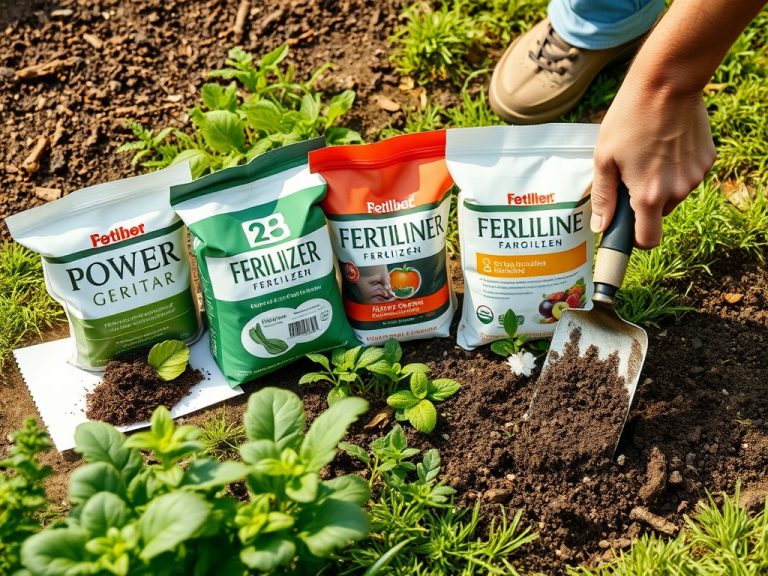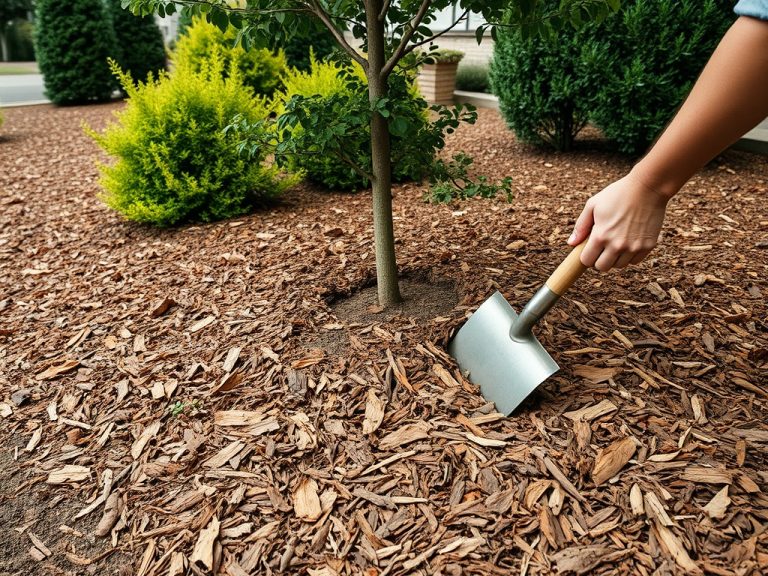
The best lawn fertilizer schedule is not a single set of dates. It is a sequence built around grass type, active growth, soil-test results, local climate, product directions, and the amount of maintenance you want to provide.
TL;DR: Identify whether the lawn is cool-season or warm-season turf, test the soil, fertilize when the grass can use nutrients, and avoid pushing growth during dormancy or severe stress. Choose slow- or quick-release products based on the job, and treat local extension guidance and fertilizer laws as more authoritative than a generic national calendar.
Why a Calendar Alone Can Mislead You
A date that suits a cool-season lawn in a northern climate may be wrong for a warm-season lawn farther south. University of Minnesota Extension advises against fertilizing cool-season turf too early in spring and emphasizes timing applications around the turf's growth cycle. University of Georgia Extension similarly notes that warm-season grasses should be fully out of dormancy before nitrogen fertilization begins.
That difference matters because fertilizer is most useful when the turf is actively growing and able to use the nutrients. Applying it simply because the weather feels pleasant can encourage weak growth, waste product, or increase the chance that nutrients move away from the lawn. The U.S. Environmental Protection Agency also warns that over-fertilizing and overwatering can make fertilizer easier to wash away and contribute to nutrient pollution.
Step One: Identify the Grass and the Growing Pattern
Cool-season grasses are most active during milder periods and typically receive much of their useful fertility support in the cooler parts of the growing year. Warm-season grasses become active as conditions warm and should generally receive their main nitrogen inputs during active warm-weather growth rather than while dormant.
The exact timing still depends on species, region, soil, weather, and local rules. This is why a reliable lawn care calendar from University of Minnesota Extension or a regional extension calendar for your own grass type is more useful than a one-size-fits-all month-by-month schedule.
A Practical Seasonal Framework
| Lawn situation | Useful timing principle | What to avoid |
|---|---|---|
| Cool-season turf | Favor active growth periods, with stronger emphasis often placed on late-season recovery and cooler growth | Heavy feeding during heat or drought stress |
| Warm-season turf | Begin after reliable green-up and active growth; continue only while the grass is actively growing | Nitrogen on dormant turf or too close to seasonal dormancy |
| Newly established turf | Follow establishment guidance for the species and soil test | Treating new turf exactly like a mature lawn |
| Drought-stressed lawn | Wait for recovery and active growth unless local guidance specifically says otherwise | Forcing top growth when the turf is under water stress |
| Lawn near water or hardscape | Use conservative application and careful cleanup | Leaving granules on pavement where rain can carry them away |
This table is a planning framework, not a regional prescription. Local extension recommendations and product labels should decide the actual application window and rate.
Step Two: Test Before Choosing the Formula
A soil test helps determine pH and nutrient needs, especially phosphorus and potassium. University of Minnesota Extension's soil-testing guidance notes that repeated over-application of nitrogen and phosphorus can create environmental and water-quality problems. A test prevents the common mistake of buying a balanced fertilizer simply because all three numbers on the bag look reassuring.
Step Three: Match Release Type to the Goal
Slow-release nitrogen products feed over a longer interval and can make it easier to provide steadier nutrition. Quick-release nitrogen produces a faster response but requires more careful timing and rate control. Many lawn products combine both forms.
Neither category is universally "best." A homeowner who wants fewer, steadier applications may prefer more slow-release nitrogen. A targeted correction during an appropriate growth period may justify some quick-release nitrogen. The product's analysis, label directions, lawn condition, and soil-test recommendation should drive the choice.
EPA WaterSense notes in its water-smart landscaping guidance that slow-release fertilizers can reduce nutrient runoff compared with less controlled use. That is a general best practice, not permission to exceed the rate recommended for the lawn.
Step Four: Apply Only When Conditions Support the Lawn
Before spreading fertilizer, check the forecast, soil moisture, and turf condition. Avoid applying immediately before heavy rain, which can move nutrients off target. If the product requires watering in, use the amount directed by the label rather than assuming more water is better. Sweep granules from sidewalks, driveways, patios, and curbs back onto the lawn so they are less likely to enter storm drains.
Use a calibrated spreader and controlled passes. Avoid heavy overlap at turns or stopping with the spreader gate open. Wear the protective equipment required by the label. For task-specific hand protection, the best garden gloves for different tasks explains why material and cuff style should match the exposure rather than appearance alone.
How Many Applications Should You Plan?
The number of applications should come from turf species, soil condition, maintenance level, and local recommendations rather than a universal step program. University of Minnesota Extension's fertilizing lawns guide explains how nitrogen, timing, and maintenance level shape the annual approach.
Adjust the Schedule for Clippings, Irrigation, and Stress
Leaving grass clippings in place when mowing conditions allow can return nutrients to the lawn. Irrigation matters too: overwatering can move nutrients, while severe drought can make aggressive fertilization counterproductive.
If you are planning other yard upgrades at the same time, avoid letting the lawn calendar dictate unrelated projects. For example, landscape lighting ideas for safer better-looking yards should be planned around nighttime routes and fixture locations, while fertilizer timing should remain tied to turf biology and soil needs.
Product Shortlist by Use Case
- For steady maintenance: A lawn fertilizer with a meaningful slow-release component can suit homeowners who want a gradual feeding pattern during active growth.
- For a soil-test-identified deficiency: Choose a formulation that supplies the needed nutrient without automatically adding nutrients the soil already has.
- For newly established turf: Use only a product and timing recommended for establishment of that grass in your region.
- For lawns beside driveways or waterways: Favor precise application, conservative rates, and products consistent with local nutrient-management guidance.
- For low-input lawns: Start with mowing, irrigation, clippings, soil health, and species choice before assuming more fertilizer is necessary.
These are categories, not endorsements of particular brands or guaranteed outcomes.
Mistakes That Make Fertilizer Schedules Less Effective
A common mistake is fertilizing dormant grass because the calendar says it is "spring." Another is applying extra product to make color deepen faster. Applying before intense rain, using phosphorus without a demonstrated need, feeding drought-stressed turf, and ignoring local fertilizer restrictions can also undermine the plan.
The EPA's guidance on nutrient pollution around the home is a useful reminder that fertilizer management affects more than lawn appearance. The objective is to support healthy turf while keeping nutrients where plants can use them.
Turn the Schedule Into a Repeatable Routine
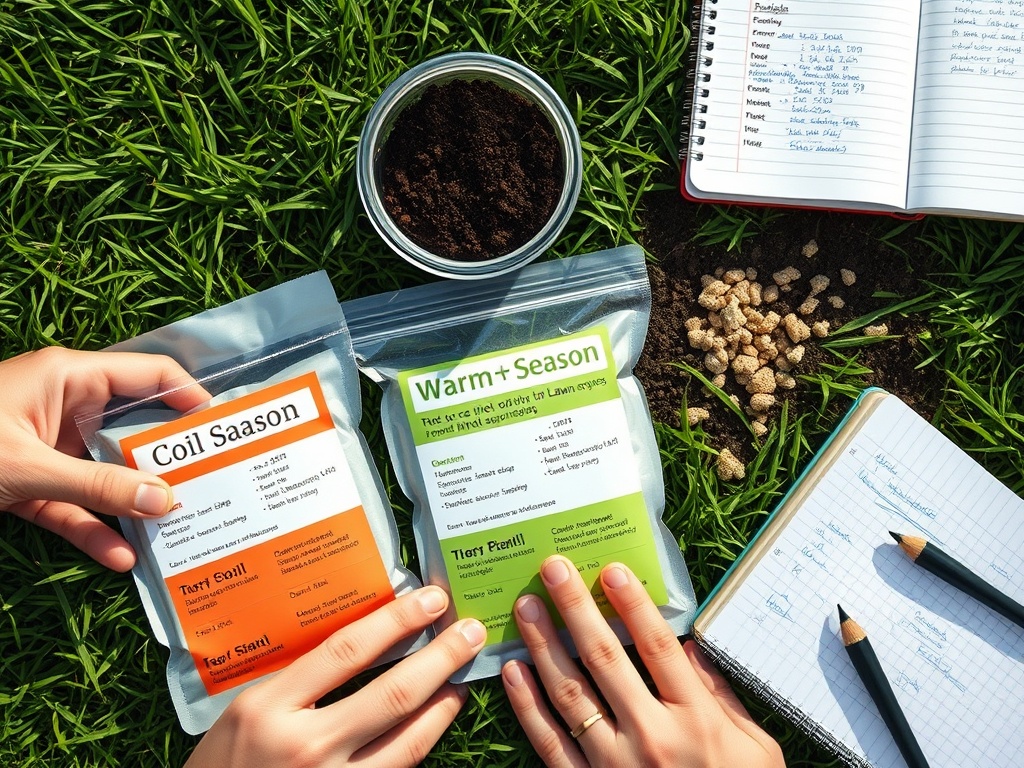
Keep a simple record of grass type, soil-test date, product analysis, application date, weather conditions, and the lawn's response. Over time, that record is more valuable than copying a generic program every year because it shows what your particular lawn needed under your particular conditions.
This article is for informational and educational purposes only and does not replace local extension, pesticide or fertilizer label, environmental, or professional turf-management advice. Regulations and nutrient recommendations vary by jurisdiction.
For the next application, identify the grass first, check the most recent soil test and local extension schedule, then select the product and timing that fit active growth rather than the other way around.