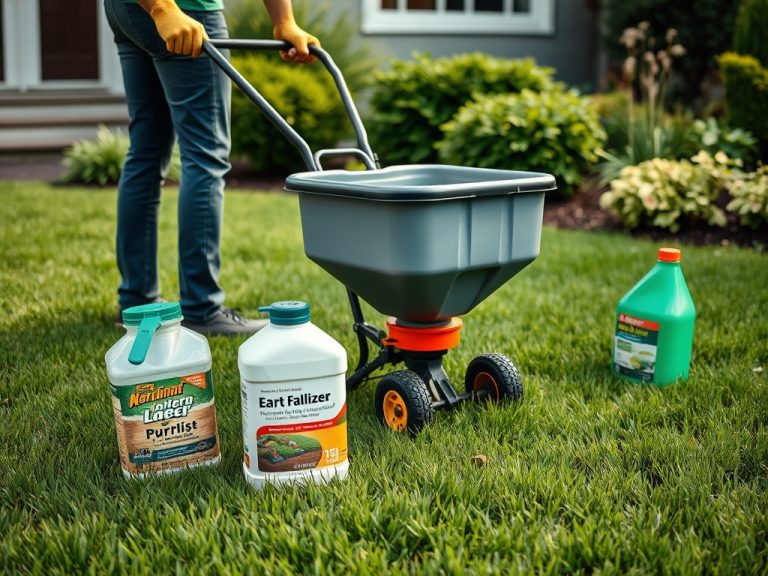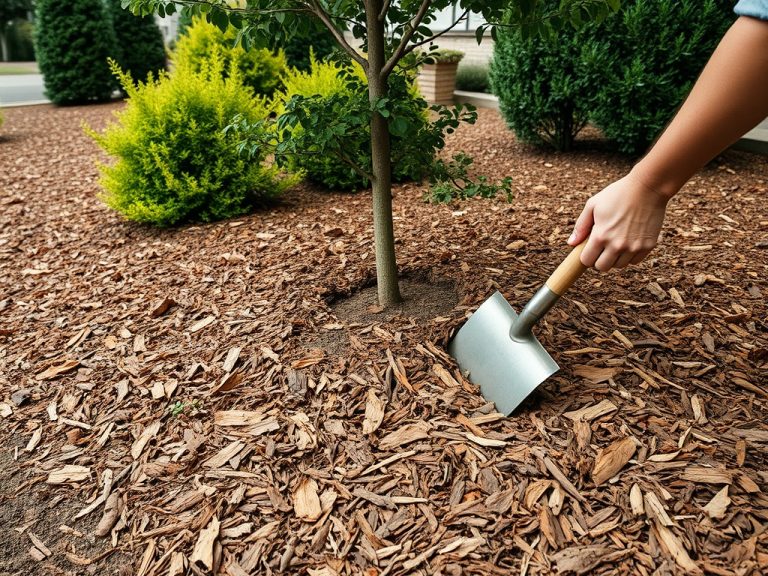
The best fertilizer type depends on plant needs, soil nutrients, and release speed. Start with a soil test, then choose a nutrient analysis and release pattern that match the crop rather than assuming one "all-purpose" formula suits every bed and lawn.
TL;DR: Read the N-P-K analysis, test soil before adding nutrients, distinguish slow-release from fast-acting products, and match the formulation to flowers, vegetables, or turf. Organic and synthetic fertilizers can both supply plant nutrients; the better choice depends on nutrient needs, release timing, application method, soil conditions, and how precisely you need to manage the feeding program.
Understand What the Fertilizer Numbers Mean
The prominent N-P-K numbers on a fertilizer label represent its guaranteed analysis for nitrogen, phosphate, and potash. They do not tell you that a product is automatically appropriate for a particular plant. A high number is not inherently better, and a balanced-looking ratio does not mean the soil needs equal additions of all three nutrients.
Nitrogen is closely associated with leafy growth and is a major nutrient in turf programs. Phosphorus supports several plant processes, including root and reproductive development, but it should not be added automatically where soil already contains adequate levels. Potassium supports overall plant function and stress responses. Plants also need secondary and micronutrients, but those should be addressed based on actual need rather than a "more is better" approach.
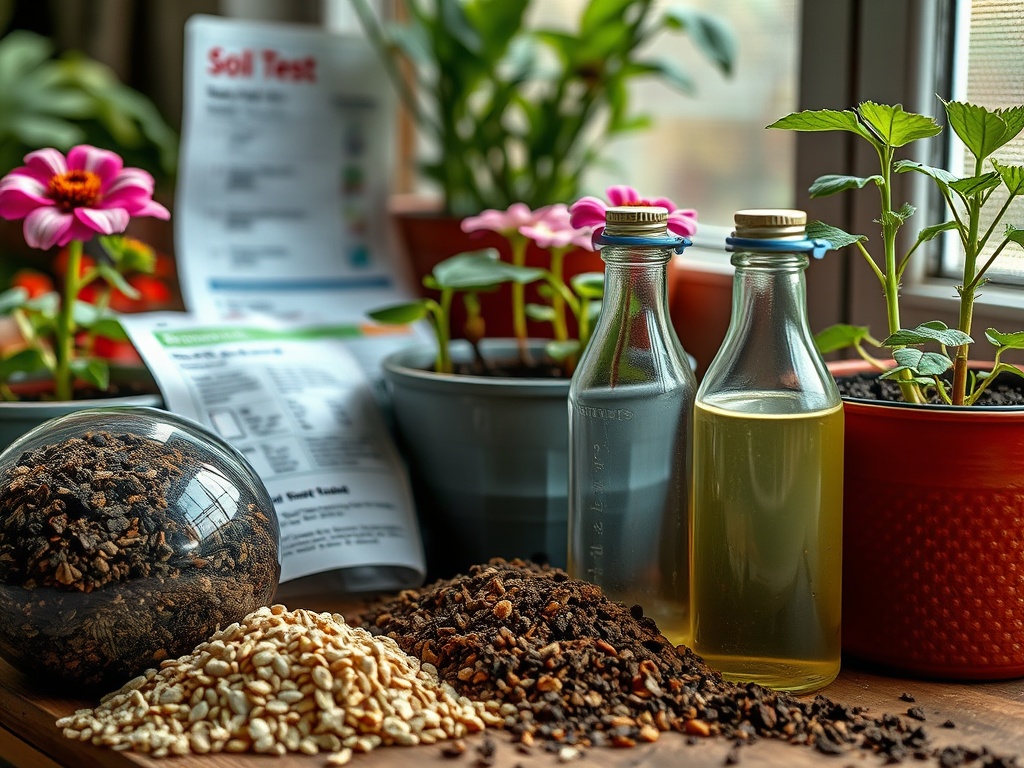
Penn State Extension's soil-testing guidance explains that soil-test reports can include lime and fertilizer recommendations for the crop or planting area. Testing separate lawn, vegetable, and flower areas is useful because those spaces may have different histories and nutrient demands.
Compare the Main Fertilizer Categories
| Fertilizer type | Where it can fit well | Main tradeoff |
|---|---|---|
| Granular slow-release | Ongoing lawn or bed maintenance during active growth | Response is gradual and depends on conditions and formulation |
| Granular quick-release | Targeted feeding when a faster nutrient response is appropriate | Easier to overapply or create concentrated spots if spread poorly |
| Water-soluble or liquid | Containers, transplants, or situations requiring controlled soluble feeding | Usually requires more frequent attention and careful dilution |
| Organic nutrient source | Gardeners who want nutrients supplied through plant, animal, or mineral-derived materials | Nutrient concentration and release can be less immediate or predictable |
| Controlled-release coated product | Containers or beds where extended nutrient delivery is useful | Release pattern varies with product design and environmental conditions |
These categories describe general behavior, not a ranking. Product labels and soil-test recommendations should decide rate, timing, and suitability.
Fertilizer for Flower Beds: Support Growth Without Chasing Blooms
Flowering plants differ widely. Annuals, perennials, bulbs, roses, and flowering shrubs do not share one ideal fertilizer formula, and soil fertility can vary even within the same property. Excess nitrogen can favor leafy growth in some situations without improving the display you want, while nutrient deficiencies can reduce vigor.
For established beds, begin with soil condition and plant performance. If a soil test shows adequate phosphorus and potassium, additional amounts may be unnecessary. If plants are growing in containers, remember that nutrients can leave the root zone through drainage, so container feeding often follows a different pattern than in-ground beds.
Fertilizer for Vegetables: Match Feeding to Crop and Soil
Vegetable gardens can be nutrient-demanding, but the correct fertilizer still depends on the crop and the soil test. Leafy vegetables, fruiting crops, root crops, and legumes can respond differently to nutrient availability. A blanket high-nitrogen program can produce abundant foliage without supporting the balance needed for every crop.
University of Minnesota Extension's quick guide to fertilizing plants recommends choosing fertilizer primarily from soil-test results and plant needs, including the desired speed of nutrient delivery. For a mixed vegetable bed, that may mean using a base amendment according to the soil test and then managing individual crop needs separately rather than repeatedly broadcasting one formula over everything.
If you use compost or other organic amendments, account for the nutrients they contribute. "Organic" does not mean nutrient-free, and repeated applications can still build nutrient levels beyond what plants need.
Fertilizer for Lawns: Think in Terms of Grass Growth
Lawn programs are commonly organized around nitrogen because turfgrass uses relatively large amounts of it. But grass species, mowing practices, clippings, soil organic matter, irrigation, and regional climate all influence the appropriate rate and timing.
Instead of selecting a fertilizer first and creating a schedule around it, begin with the grass. The companion guide to best fertilizer schedules for a greener lawn explains why cool-season and warm-season turf should not be fed on the same generic calendar.
Slow-release lawn fertilizers can provide steadier nutrition and may reduce the risk of nutrient loss when properly used. Quick-release products can have a place when a faster response is appropriate, but careful calibration and application are essential. Regardless of product, sweep granules off hard surfaces and avoid applying before conditions likely to carry nutrients away.
Organic Versus Synthetic: A Better Way to Compare Them
"Organic" and "synthetic" describe source and formulation, not a good-versus-bad split. Either can fit a sound fertility program. The better choice supplies the measured need at the right time and rate; neither category guarantees better plant health.
Use Mulch and Soil Management to Reduce the Urge to Overfeed
Fertilizer cannot correct poor drainage, compacted soil, insufficient light, incorrect irrigation, root competition, or unsuitable pH. Check the root environment before assuming stress is a nutrient problem.
A well-managed mulch layer can help conserve moisture, moderate soil temperature, and reduce weed competition. See mulching strategies that reduce water loss for a separate look at choosing and applying mulch without smothering plant crowns or trunks.
Choose Products by Use Case Rather Than Package Claims
- For a lawn with a soil-test-supported nitrogen need: Choose a turf-appropriate product with a release pattern that matches the seasonal plan.
- For a mixed vegetable bed: Use the soil test as the base and adjust for crop-specific needs rather than assuming one high-analysis product suits everything.
- For container flowers: A soluble or controlled-release product can be practical because the root zone is limited, but follow the container crop and product directions.
- For long-term soil improvement: Compost and other organic inputs may support structure and biology while contributing nutrients, so count them as part of the fertility program.
- For a diagnosed nutrient deficiency: Select the product that supplies the missing nutrient without adding unnecessary extras.
Avoid Fertilizer Problems Before They Start
Do not apply more because plants look stressed until you have checked water, roots, pests, disease, soil pH, and site conditions. Keep fertilizer off leaves unless the product is specifically designed and labeled for foliar use. Store products dry and secure, follow label protective-equipment directions, and keep children and pets away during application as directed.
When pest pressure is also part of the problem, do not automatically combine fertilizer and pesticide treatment. Safe pest control around kids pets and pollinators explains how integrated pest management can separate pest diagnosis from unnecessary chemical use.
Make the Soil Test Your Shopping List
The most economical fertilizer is often the one you do not need to buy. A soil test narrows the decision and makes product labels easier to compare because you know which nutrients and release characteristics matter.
Fertilizer performance varies with plant species, soil, weather, irrigation, application method, and regional conditions. This article is for informational and educational purposes only and is not a substitute for local horticultural, environmental, or regulatory advice.
Before your next purchase, review a soil test, identify active growth, and compare fertilizer labels by nutrient need and release pattern rather than marketing language.