Mulch helps soil hold moisture longer by shading the surface, slowing evaporation, reducing weed competition, and softening the impact of rain and irrigation. The best results come from choosing a mulch that fits the plants and climate, applying an appropriate layer, and keeping it away from trunks and crowns.
TL;DR: Weed first, water dry soil if needed, spread an even mulch layer over the root zone, and leave breathing room around stems and woody trunks. Organic mulches are useful in many planting beds, while stone and other inorganic materials can suit specific sites but may store and radiate heat. Recheck depth and condition during the season instead of repeatedly piling new mulch on top.
Why Mulch Changes the Soil-Water Balance
Bare soil receives direct sun and wind, so moisture near the surface can leave quickly. A mulch layer reduces that exposure and can keep the soil environment more stable. The U.S. Environmental Protection Agency's WaterSense landscaping guidance notes that mulch can reduce evaporation, suppress weeds, limit erosion, and moderate soil temperature.
Those benefits are connected. Weeds compete with desired plants for water. Crusted or eroding soil can shed water instead of letting it infiltrate. A cooler surface can reduce the rate at which moisture is lost. Mulch is not a substitute for appropriate irrigation or healthy soil, but it can make both work more efficiently.
Choose Mulch Based on the Planting Area
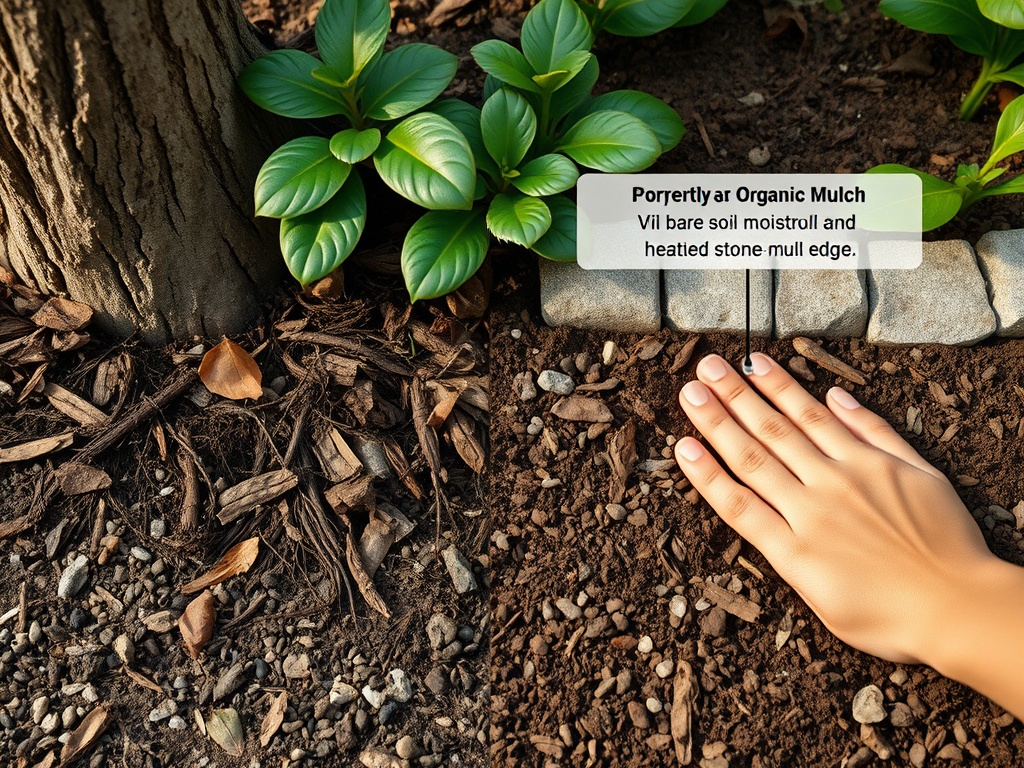
Organic mulches include shredded bark, wood chips, leaves, straw, and similar plant-derived materials. They gradually break down and can contribute organic matter to the soil surface. Inorganic materials such as gravel or stone break down much more slowly and can be useful where a permanent mineral surface fits the design and plant needs.
The choice is not purely aesthetic. EPA WaterSense cautions that rock mulch in sunny areas can radiate heat and may increase water loss around plants that are not adapted to those conditions. In a shaded, dry-climate planting with heat-tolerant species, mineral mulch may behave differently than it does around moisture-loving plants beside a west-facing wall.
Prepare the Bed Before Spreading Mulch
Mulch works best when it is placed over a bed that is already reasonably weed-free and properly watered. Pull established weeds rather than burying them and hoping the mulch will solve the problem. Correct drainage issues before covering the soil, because mulch cannot fix a low spot that stays saturated.
Apply Enough to Cover Soil Without Smothering Plants
EPA WaterSense recommends a mulch depth of about three to four inches for most plants, while also warning that excessive mulch can restrict water movement to roots. Treat that range as general guidance rather than an automatic rule for every material, climate, or plant. Fine-textured mulches can behave differently from coarse wood chips, and shallow-rooted or moisture-sensitive plants may need a more tailored approach.
Keep organic mulch a few inches away from tree trunks and the base of woody plants. Piling mulch against bark can hold moisture where it is not wanted and may contribute to decay. Around herbaceous plants, avoid burying crowns or low stems.
Spread Mulch Across the Root Zone Not Just at the Stem
The goal is to cover the soil area where roots are using water, not to build a decorative ring tight against the plant. For trees and shrubs, a broad, relatively flat mulch area is generally more useful than a steep mound. Extend the layer across the bed where practical, feathering the edge so it does not wash onto sidewalks or block drainage paths.
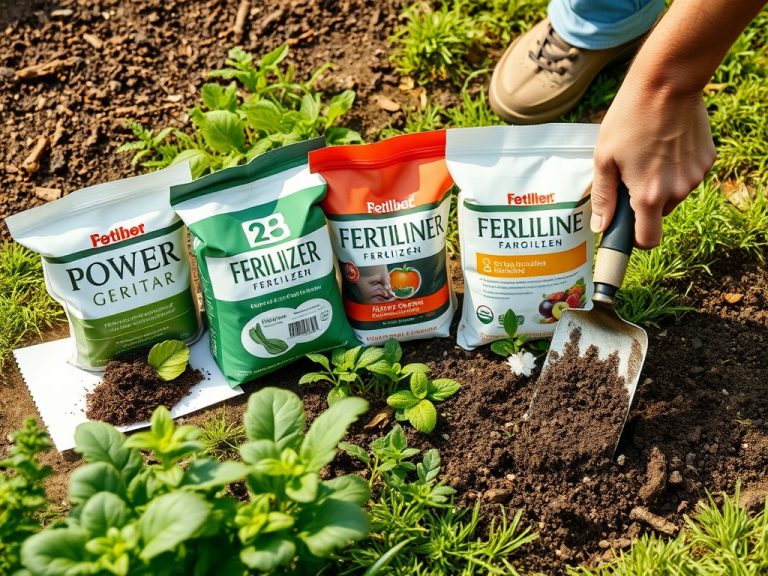
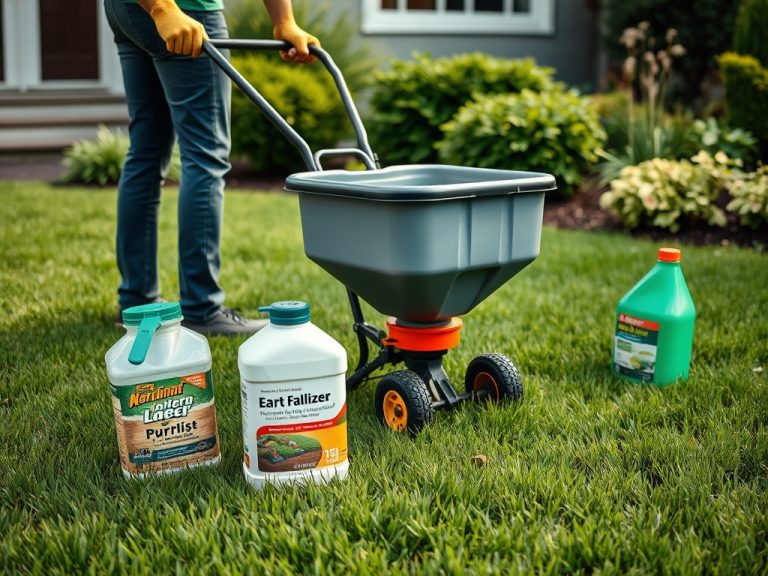
If fertilizer is also part of the garden plan, review best fertilizer types for flowers vegetables and lawns before spreading products over or beneath mulch. Fertilizer choice should follow soil and plant needs rather than being added automatically because the bed has been refreshed.
Time Mulching Around Soil Conditions
Mulch can be applied when the bed is ready, but the timing should make sense for the local climate. In spring, waiting until cold, saturated soil begins to warm may be appropriate in some regions. In hot, dry areas, mulching before peak summer stress can help reduce surface moisture loss. In fall, mulch can help moderate soil temperature, but do not use it to bury diseased foliage or active pest problems.
Regional conditions matter more than a universal month. If the soil is waterlogged, fix the drainage issue first. If the bed is powder-dry, irrigate before covering it. The mulch should support the moisture plan, not conceal a moisture problem.
Use Organic Mulch as Part of Soil Management
As bark, leaves, and wood-based mulches decompose, the surface layer changes. That is usually a benefit in ornamental beds, but it also means the mulch needs inspection rather than automatic annual replacement. Scratch the surface and check what remains before ordering another load.
If much of the previous layer is still present, top up only where coverage is thin. Repeatedly adding a full new layer can create excessive depth. In windy areas, choose a material coarse enough to stay put. On slopes, use a mulch and edging approach that resists washing without creating a barrier that redirects runoff toward structures.
Keep Mulch From Becoming a Pest Hiding Place
Mulch itself is not a reason to expect a pest problem, but deep, continuously damp material beside foundations, trunks, or plant crowns can create sheltered conditions. Keep the layer tidy, avoid burying debris that should be removed, and inspect plants rather than assuming every insect found under mulch needs treatment.
If pest activity appears, identify the organism before reaching for a pesticide. Safe pest control around kids pets and pollinators explains how integrated pest management begins with identification, prevention, and lower-exposure controls.
Common Mulching Mistakes
- Volcano mulching around trees: Mulch piled against trunks traps moisture against bark and concentrates material where it is least useful.
- Adding a new full layer every year: Check the existing depth first; decomposition rates vary.
- Using stone everywhere: Mineral mulch can increase heat around plants or surfaces that are poorly suited to it.
- Covering weeds instead of removing them: Established weeds can push through, while buried seed heads may remain in the bed.
- Blocking irrigation: Very thick or matted material can interfere with water reaching the root zone.
- Ignoring runoff paths: Mulch can migrate into drains or onto paving if the bed edge and slope are poorly managed.
Maintain the Layer Through the Season
Rake compacted spots lightly, pull new weeds before they establish, move mulch back from expanding stems, and replace only what has decomposed or washed away. After a heavy storm, check low edges where material may have shifted. During irrigation checks, look beneath the mulch rather than judging moisture from the surface appearance alone.
Mulch can also affect how a yard looks at night. If bed edges and paths are part of the same renovation, landscape lighting ideas for safer better-looking yards can help coordinate visibility without overlighting planting areas.
Keep Water Conservation Practical
The goal is not to create the deepest possible layer. It is to protect exposed soil, reduce unnecessary evaporation and weed competition, and still allow water and air to move through the root zone. A modest, maintained layer that suits the plants is more useful than a decorative mound that hides the soil entirely.
This article is for informational and educational purposes only and does not replace professional horticultural, drainage, pest-control, or local water-use guidance. Plant needs and recommended mulch practices vary by climate, soil, species, and site conditions.
Before adding mulch, lift the existing layer, check soil moisture and remaining depth, remove weeds, and add only enough material to restore even coverage around the root zone.